

Human Performance Research and Development

National Manager, Human Performance Research and Development.
-
To be determined
View BioTo be determined
Injury Prevention and Nutrition
-
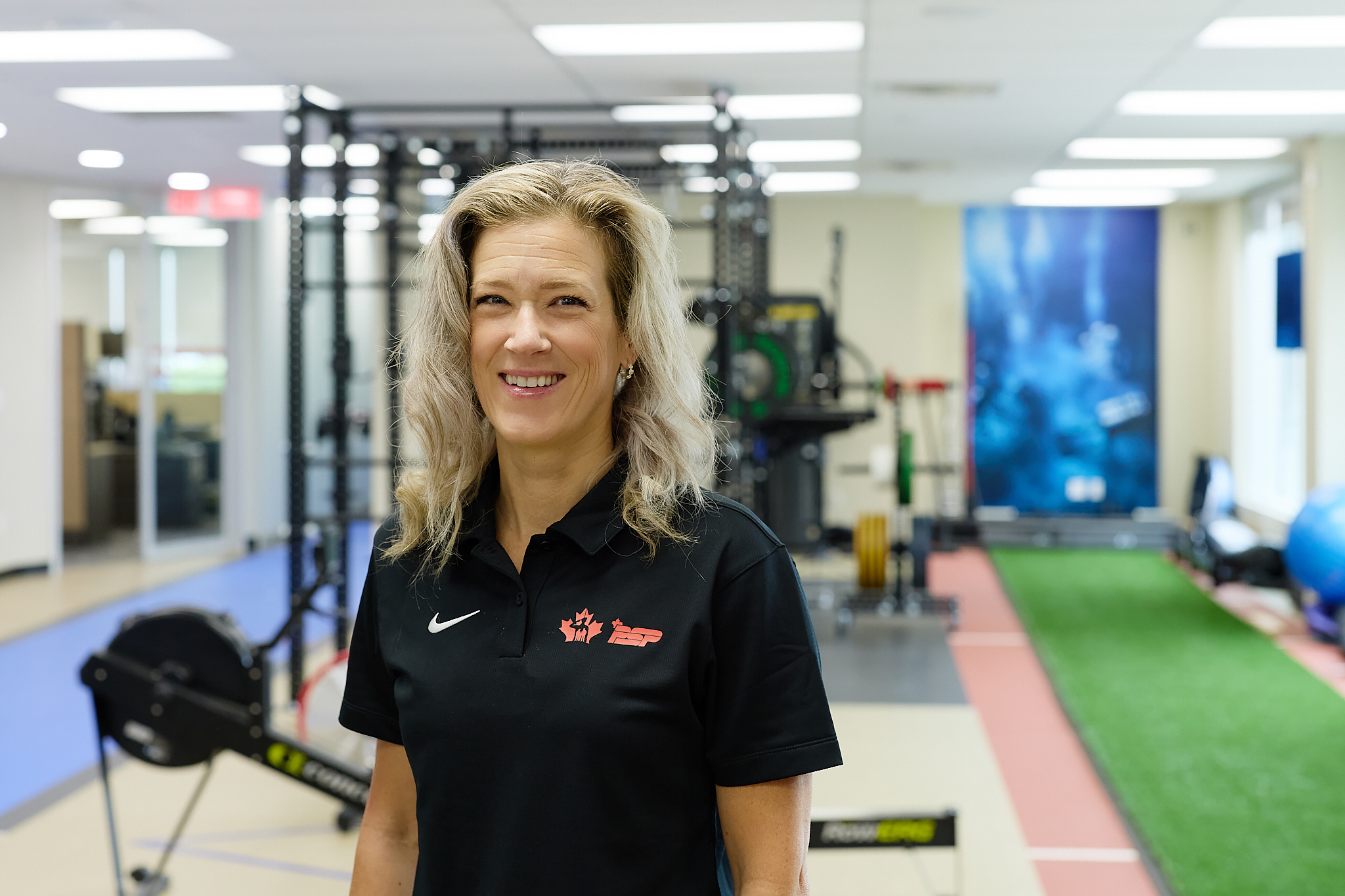
Dr. Tara Reilly
Sr Research Officer View Bio
Dr. Tara Reilly
Sr Research OfficerDr. Tara Reilly is a Senior Officer with Human Performance Research and Development, Canadian Forces Morale and Welfare Services, a part of the team since 2008. Her MSc is in Biomechanics from Dalhousie University, and her PhD was achieved in the UK in the field of human and applied physiology. Tara has been fortunate to chair the NATO research and technology Human Factors and Medicine Panel on Combat Integration and is currently co-chairing a panel on Implementing Evidenced Based Injury Prevention Programs in the Military. Tara is an Adjunct Professor at the University of Ottawa and is a certified Clinical Exercise Physiologist through the Canadian Society for Exercise Physiology.
Tara’s research portfolio includes the Air Crew Conditioning Program, Women’s Wellness, post-operative guidance on FORCE evaluations, FORCE Combat, Injury Prevention programs for the Canadian Armed Forces, and Tara sits on the Human Ethics Research Committee for DND.
-
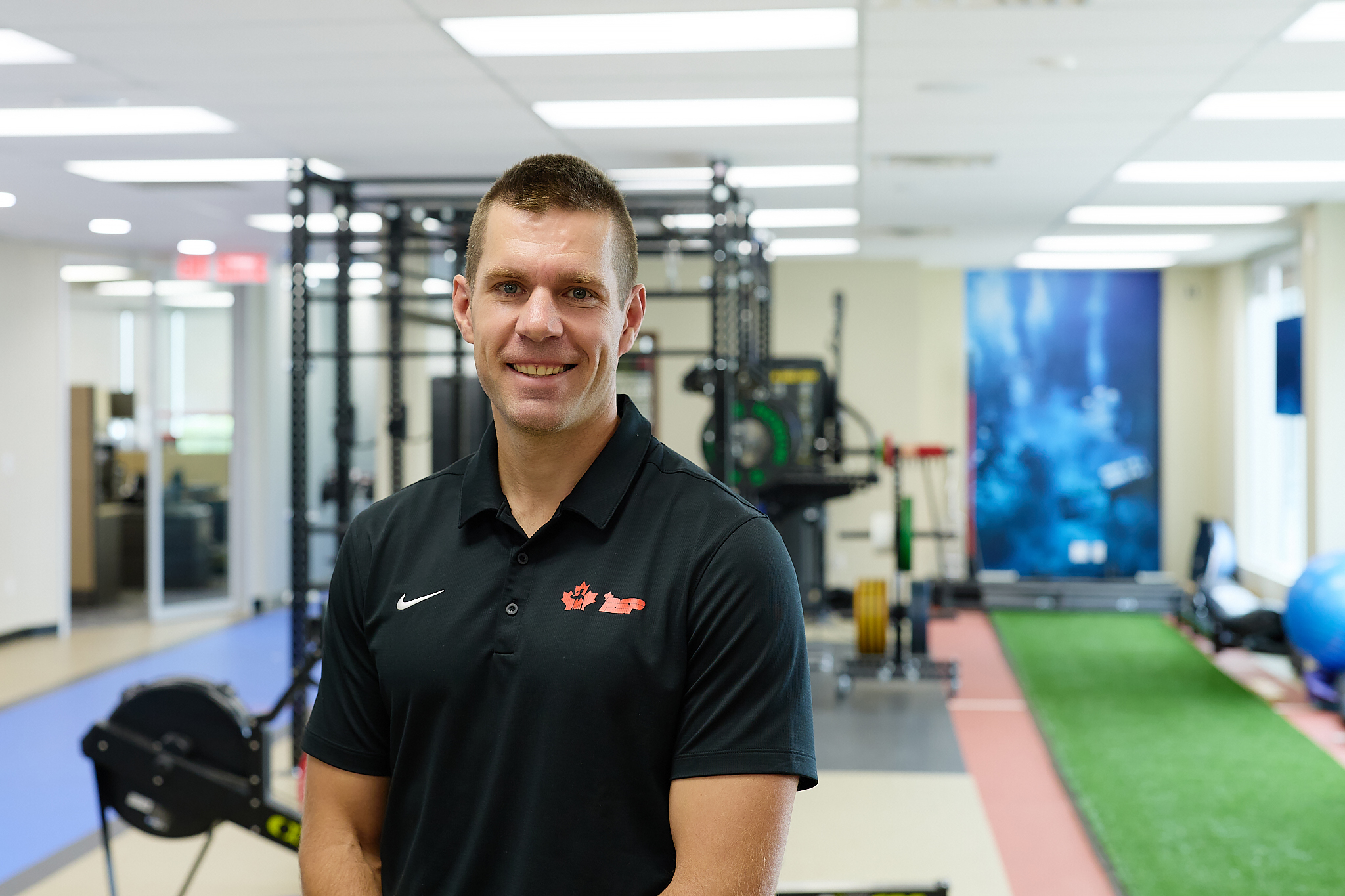
Dr. Hans Christian Tingelstad
Research Specialist View Bio
Dr. Hans Christian Tingelstad
Research SpecialistDr. Hans Christian Tingelstad is a Research Specialist in the Human Performance Research and Development team of the Canadian Forces Morale and Welfare Services. His expertise spans multiple disciplines, including thermoregulation and injury prevention through evidence-based physical training programs for the Canadian Armed Forces. His contributions in injury prevention research earned him the prestigious Major Sir Frederic Banting Award at the CIMVHR Forum in 2024.
Dr. Tingelstad's research has been widely recognized, with findings published in national and international scientific journals and presented at military conferences around the world. His academic journey includes a Bachelor’s degree in Sports Biology from the Norwegian School of Sports Sciences, as well as a Master’s and Doctorate in Human Kinetics from the University of Ottawa. He also serves as an Adjunct Professor at the University of New Brunswick and is a certified Clinical Exercise Physiologist through the Canadian Society for Exercise Physiology.
-
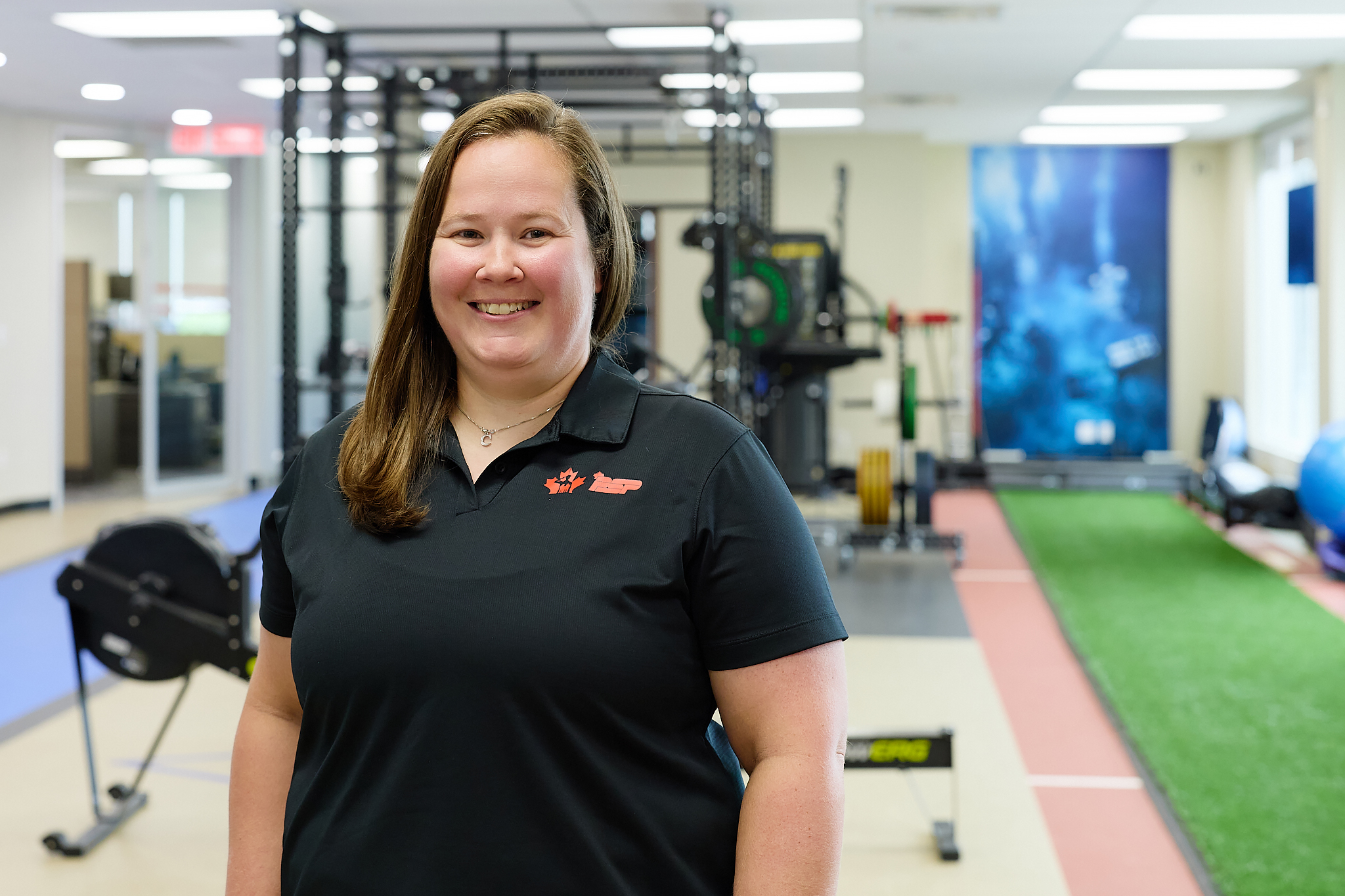
Christine Tardif
Education, Research & Development Officer – Nutrition View Bio
Christine Tardif
Education, Research & Development Officer – NutritionChristine works as the nutrition officer for the Canadian Forces Morale and Welfare Services Women’s Wellness program registered dietitian, a position she has held since its inception in 2023. Over the past 2 years with the organization, Christine has played a key role in providing nutrition education to many participants in the Prenatal Postpartum Program [PNP3] and has made significant contributions to the women’s wellness program by developing and adapting its nutritional content to better meet the specific needs of women across the Canadian Armed Forces.
Christine started her education by completing a Bachelor of Science in Human Kinetics from the University of Ottawa followed by a Bachelor of Applied Science in Food and Nutrition from Toronto Metropolitan University (formerly Ryerson University). Christine also completed a Master of Science in Food and Nutrition from the University of Western Ontario and became a registered dietitian in 2015. Christine subsequently completed the International Olympic Committee’s Sport Nutrition Diploma in 2018 where she expanded her knowledge in the field of sports nutrition to better serve all level of athletes – now focusing on female athletes and women's health in the military setting.
Specialized Occupations
-
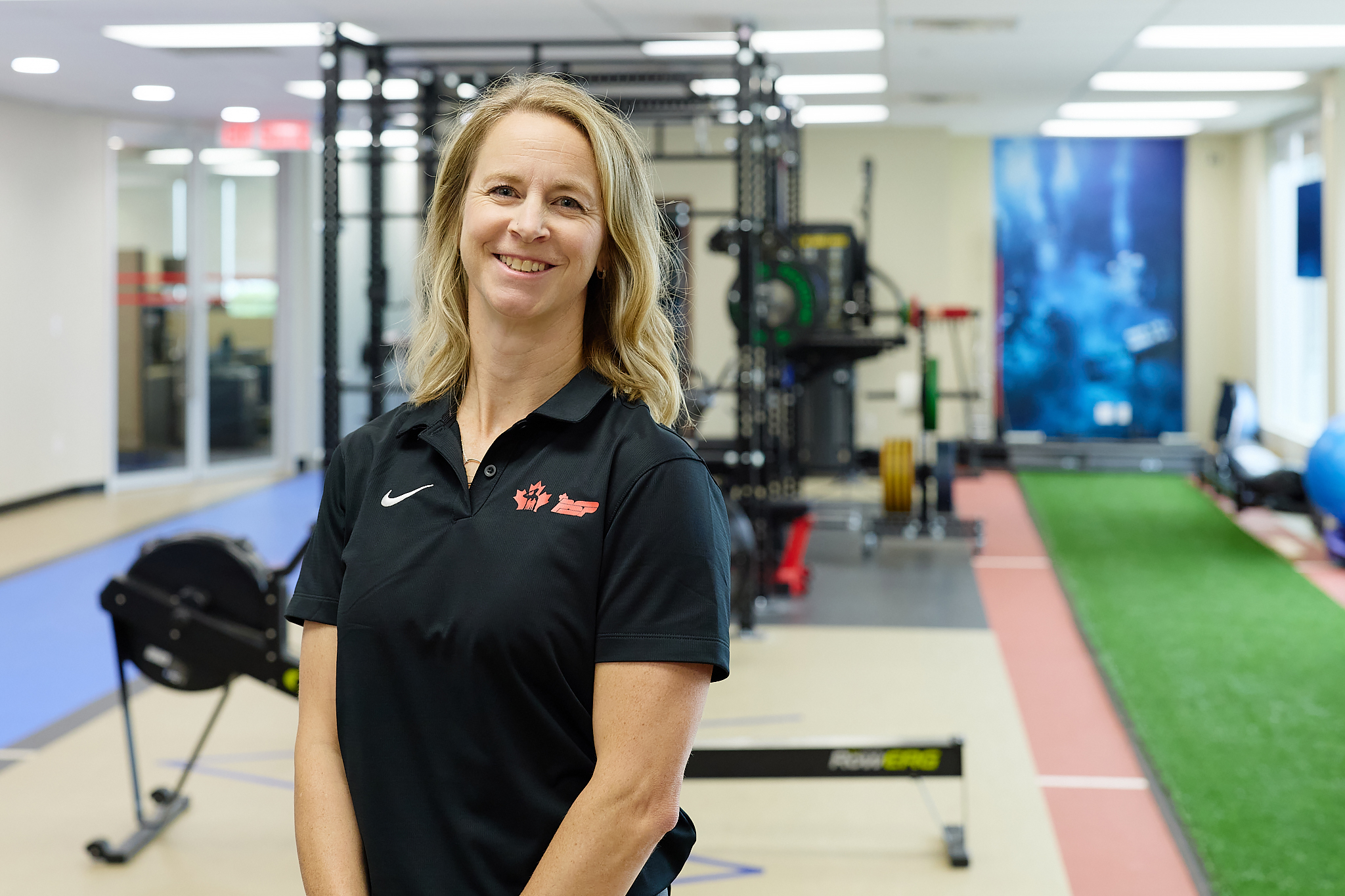
Rachel Blacklock
Sr Research Officer View Bio
Rachel Blacklock
Sr Research OfficerRachel has worked with CFMWS since 2005 and currently leads the special occupation team within Human Performance Research, Development and Evaluation. With over 15 years in research, Rachel has contributed extensively to occupational research, particularly in physical employment standards, across Canada. Her work spans collaborations with the Royal Canadian Navy, the broader Canadian Armed Forces, Protective Services, and various specialty groups. She also was the research lead of a five-year national initiative to develop physical employment standards in partnership with the Royal Canadian Mounted Police Fitness and Health Branch.
In addition to her research leadership, Rachel is an Instructor-Examiner with the Canadian Society for Exercise Physiology where she supports the development of professional standards in exercise science.
-
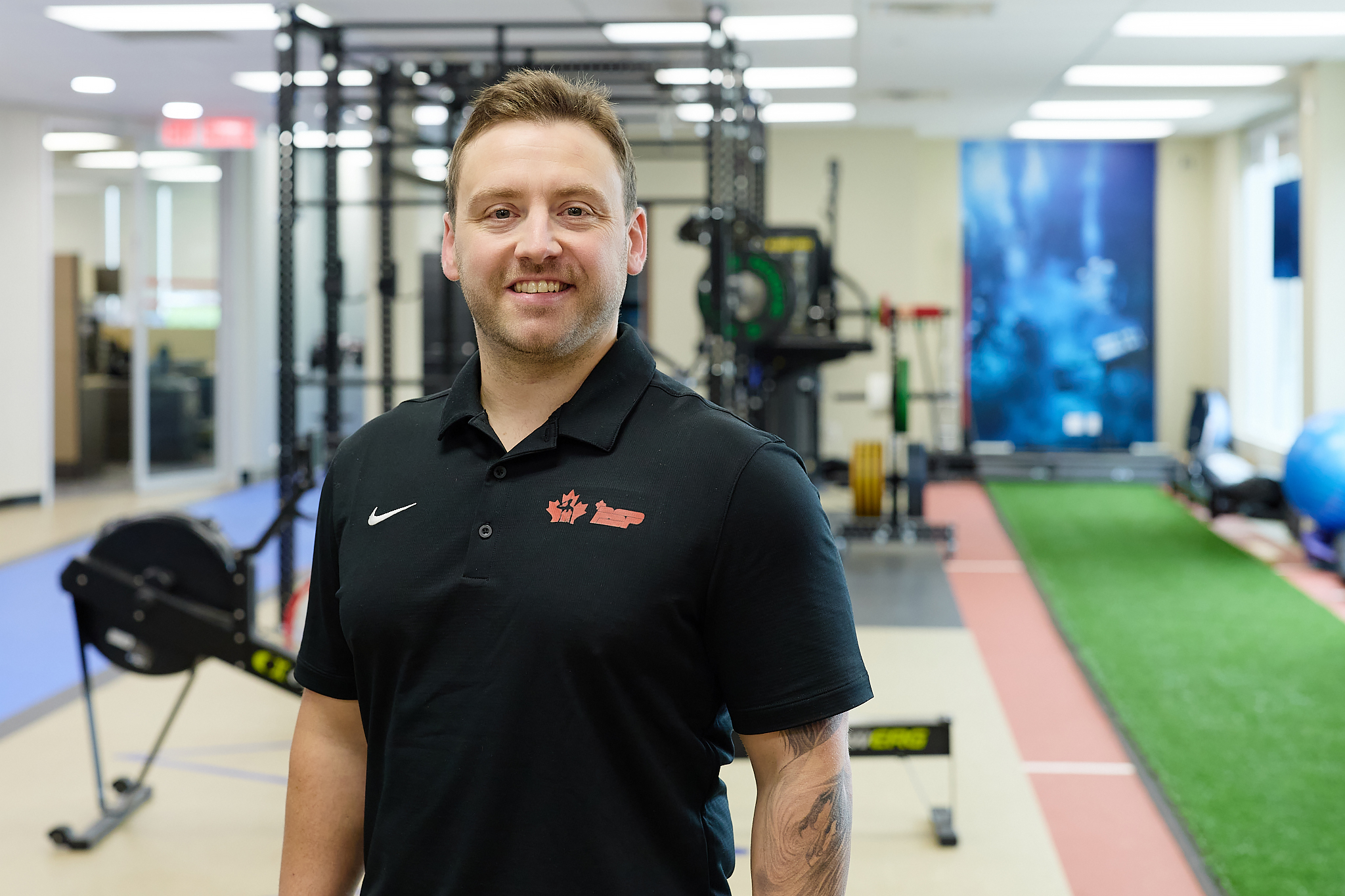
Dr. Martin Poirier
Research Specialist View Bio
Dr. Martin Poirier
Research SpecialistDr. Martin Poirier is a Research Specialist in Human Performance Research and Development with Canadian Forces Morale and Welfare Services. He holds a PhD, MSc, and BSc (Honours) in Human Kinetics from the University of Ottawa, specializing in integrative physiology and the effects of heat stress on human performance. He began a MITACS-funded postdoctoral fellowship on intelligent heat stress monitoring before transitioning to CFMWS, where he now leads and supports the development of evidence-based fitness and readiness assessments for military and public safety populations across Canada.
Dr. Poirier contributed significantly to the research and validation of the Royal Canadian Mounted Police’s new two-tiered Police Fitness Assessment, now implemented as the agency’s national physical employment standard. He currently leads the development of an admission physical standard for the Canada Border Services Agency’s Officer Induction Training Program and previously led a national study examining sex-based bias in aquatic rescue assessments, which contributed to changes in the National Lifeguard Certification. He is also a member of a national working group developing an integrated health and fitness assessment for Canadian Military Colleges. He is certified as a Clinical Exercise Physiologist and High-Performance Specialist.
-
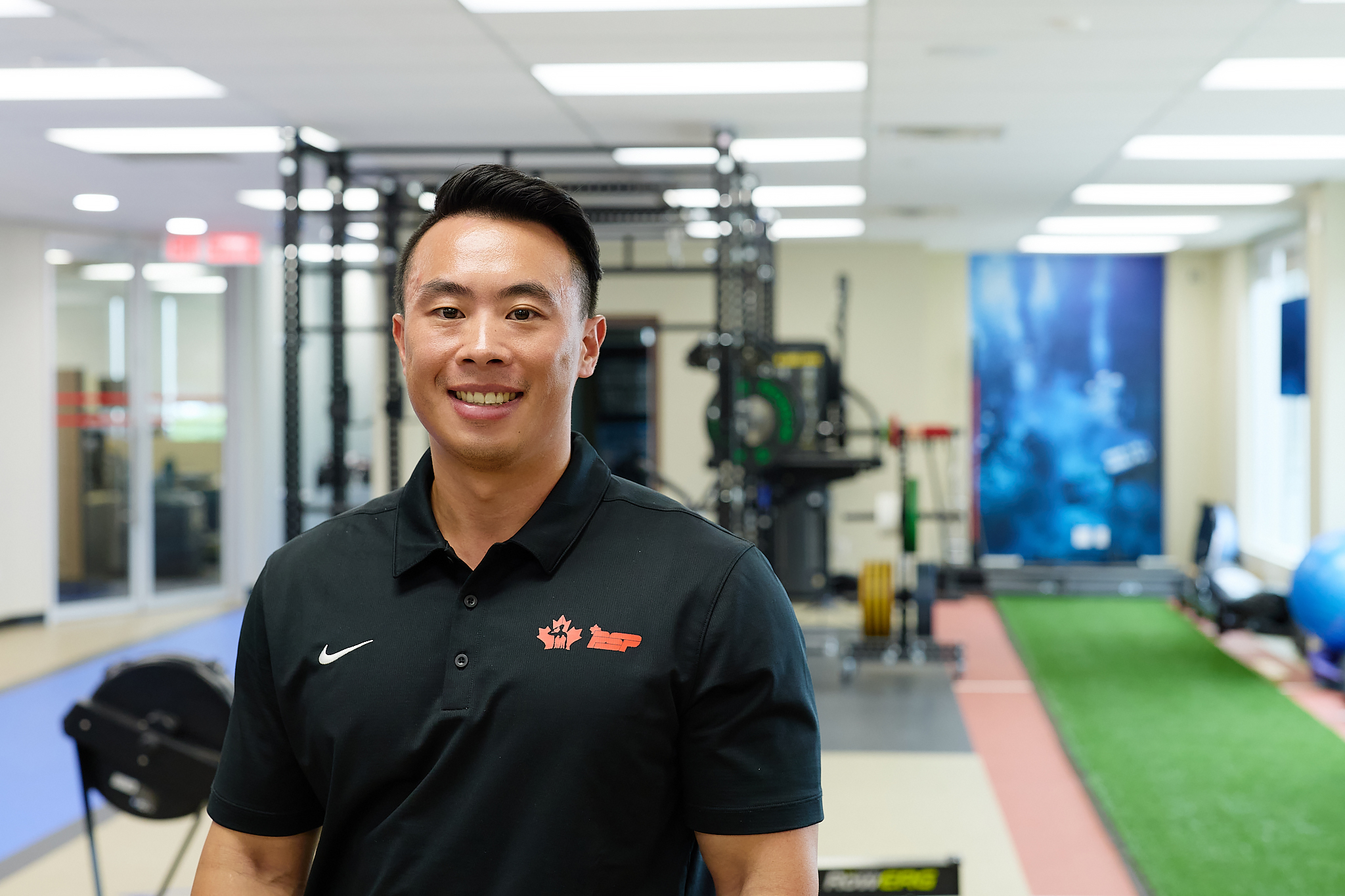
Tyler Kung
Research Specialist View Bio
Tyler Kung
Research SpecialistMr. Tyler Kung, is a Research Specialist in the Human Performance Research and Development team of the Canadian Forces Morale and Welfare Services since 2021. His expertise spans working on Physical Employment Standards, Specialty Occupations and developing Physical Readiness Standards. Tyler currently supports the Maritime Tactical Operators, Royal Canadian Navy Clearance Divers and Aircraft Security Officers. Tyler can be found in the field measuring physical demands of the occupation, working directly with the client, designing and implementing occupation simulations or presenting at conferences on human performance and physical employment standards.
Tyler holds a Master’s degree in Exercise Physiology at the University of Ottawa (ON, Canada). He also is a Clinical Exercise Physiologist and High Performance Specialist through the Canadian Society for Exercise Physiology.
-
Matthew Belgiorgio
Research Assistant View Bio
Mr. Matthew Belgiorgio has been a Research Assistant in the Human Performance Research and Development team of the Canadian Force Morale and Welfare Service since 2023. Prior to 2023, he served in the regular force for 7 years as an infantry soldier in the 2nd Battalion, Princess Patricia’s Canadian Light Infantry. Since joining CFMWS, he has been involved in physical employment standards research and development for various units and trades, such as Aircraft Security Officers, Medical Technicians, and Close Protection Operators. He has also presented research at the International Physical Employment Standards conference and is currently working on physical employment standards for the Canadian Force Firefighters. Matthew earned an Honours Bachelor’s degree from the University of Toronto and a Master of Science from the Faculty of Applied Health Science at Brock University. He is also a certified Clinical Exercise Physiologist with the Canadian Society for Exercise Physiology.Matthew Belgiorgio
Research Assistant
General CAF Research
-
Daniel Théorêt
Sr Research Officer View Bio
Daniel Théorêt
Sr Research Officer -
Étienne Chassé
Research Officer View Bio
Mr. Etienne Chassé, is a Research Officer in the Human Performance Research and Development team of the Canadian Forces Morale and Welfare Services since 2018. Etienne was heavily involved in the research and development of several human performance programs and fitness evaluations including Occupational Fitness for Canadian Space Agency Astronauts, Royal Canadian Navy Clearance Divers, helicopter crash rescue firefighting aboard navy ships, with the Holistic Fitness Assessments for the Canadian Military Colleges, with occupational fitness for several military occupations and with military recruits. He presented in multiple national/international conferences on human performance and physical employment standards. Etienne completed a Bachelor degree with honors in Human Kinetics, and a Master’s degree in Exercise Physiology at the University of Ottawa (ON, Canada). He is a Clinical Exercise Physiologist and High Performance Specialist by the Canadian Society for Exercise Physiology.Étienne Chassé
Research Officer -
Marie-Andrée Laroche
Research Assistant View Bio
Marie-Andrée Laroche
Research AssistantMs. Marie-Andrée Laroche works for the Canadian Force Morale and Welfare Service since 2006. She has held several roles, including fitness instructor, exercise specialist, and research assistant within the Human Performance Research and Development Department. All of this work was undertaken to enhance training and rehabilitation, as well as to deepen our understanding through research at the Canadian Forces Leadership and Recruit School, ultimately benefiting future military personnel.
She has dedicated her work to better understanding musculoskeletal injury risks and the training load of basic military training to better support Canadian Armed Forces operational effectiveness and regeneration. She presented at multiple national/international conferences on human performance during basic military training.
Marie-Andrée completed a bachelor's degree in Kinesiology at the University of Sherbrooke and a master's degree in physical exercise science at the University of Québec in Montréal. She also is a Clinical Exercise Physiology by the Canadian Society for Exercise Physiology. -
Barry Stockbrugger
Laboratory Coordinator View BioBarry Stockbrugger
Laboratory Coordinator -
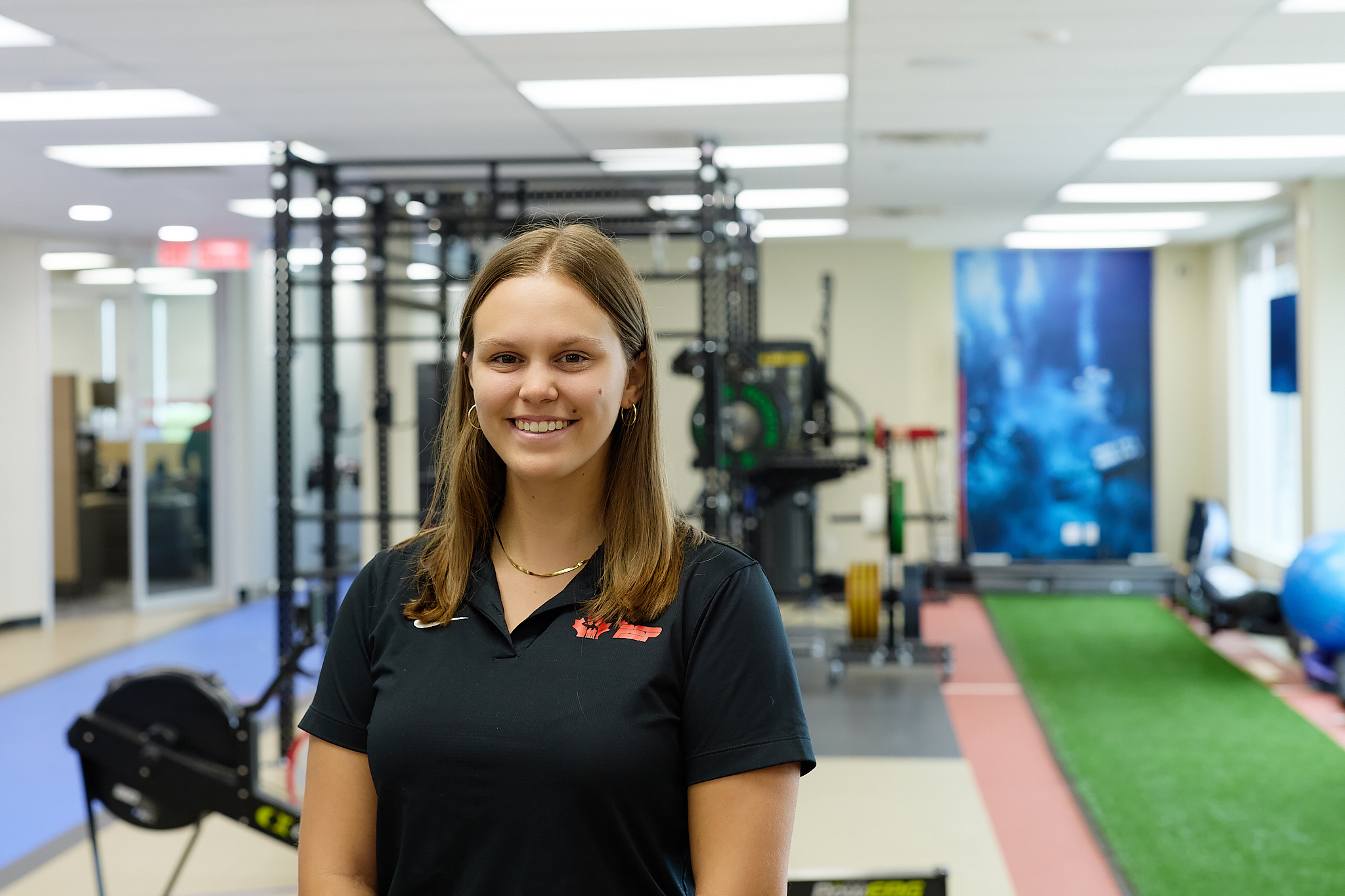
Émilie Miller
Research Assistant View Bio
Émilie Miller
Research AssistantMs Émilie Miller, since 2023, has been a Research Assistant in the Human Performance Research and Development Team of the Canadian Forces Morale and Welfare Services. Her involvement within the team has spanned from the Royal Canadian Air Force Aircrew Conditioning Program within fighter and helicopter pilot communities in the Canadian Armed Forces (CAF), Occupational Fitness for Canadian Space Agency Astronauts, to research around the performance of the Pre- and Post-Natal Women’s program in the CAF. Being linked personally to the CAF, Émilie’s dedication to improving the occupational wellbeing of service members and those in arduous occupations drives her commitment and involvement with the HPR&D team.
Émilie holds a Bachelor of Science in Human Kinetics with honours, and a Master of Human Kinetics in Exercise Physiology from the University of Ottawa (ON, Canada).
Program Evaluation
-
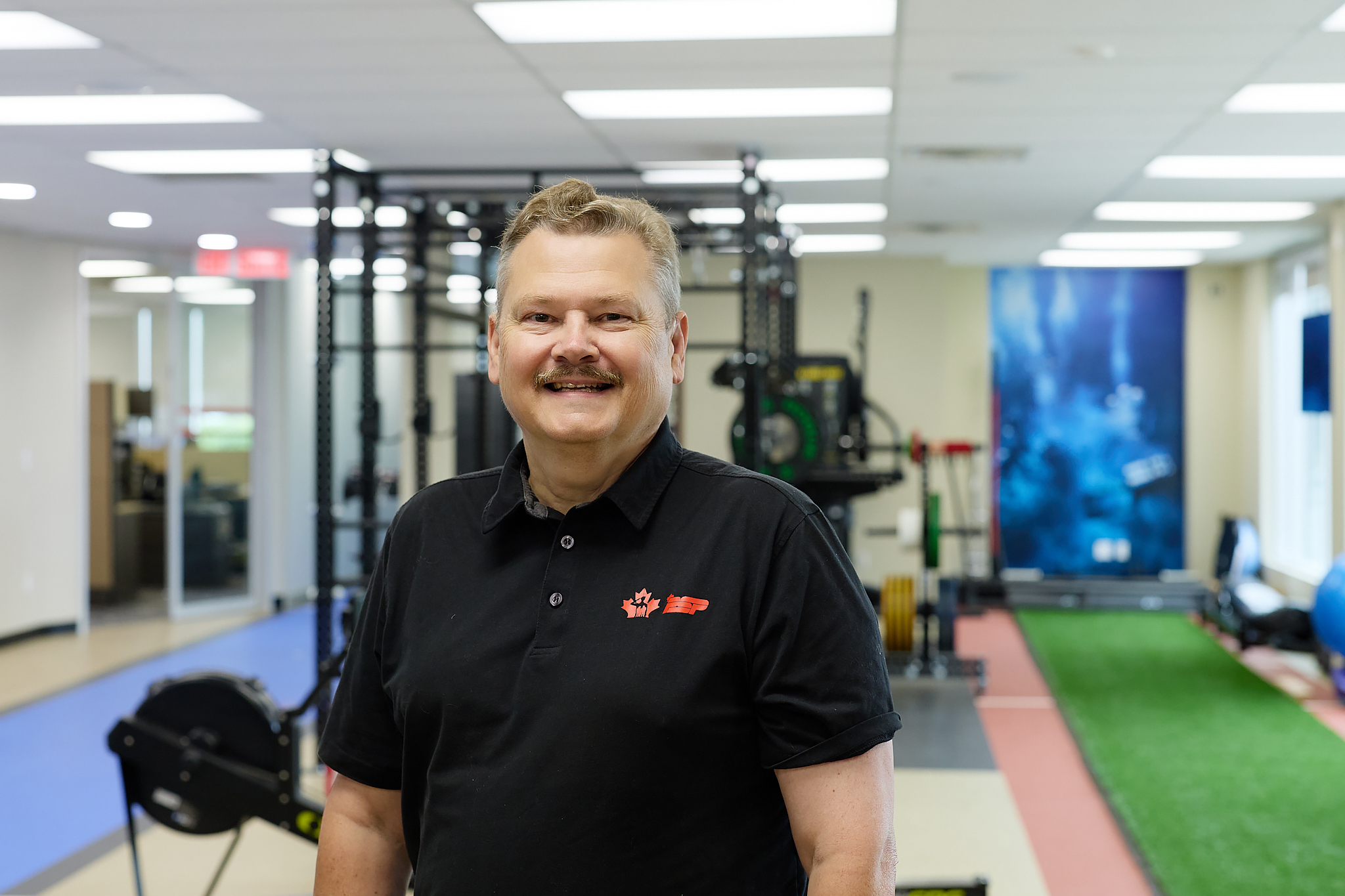
Dr. Bruce Baskerville
Sr Manager Program Evaluation View Bio
Dr. Bruce Baskerville is the Senior Manager of Program Evaluation in Human Performance Research and Development since April, 2023. He leads a five-person team focused on the implementation and evaluation of key initiatives such as the new athlete management system for the Canadian Armed Forces (CAF), the Fitness for Operational Requirements of CAF Employment (FORCE) test, and Women’s Wellness programming such as the Prenatal and Postpartum Program (PNP3). Bruce has practiced evaluation and population health research for several decades with over 60 peer-reviewed journal publications, numerous national and international conference presentations, awards, and has led many collaborative projects. He holds a PhD from the University of Waterloo in Applied Health Sciences, an MHA from the University of Ottawa, and has been a Canadian Evaluation Society credentialed evaluator since 2012. His team specializes in program evaluation with a particular focus on assessing key interventions that support the health and well-being of military personnel.Dr. Bruce Baskerville
Sr Manager Program Evaluation -
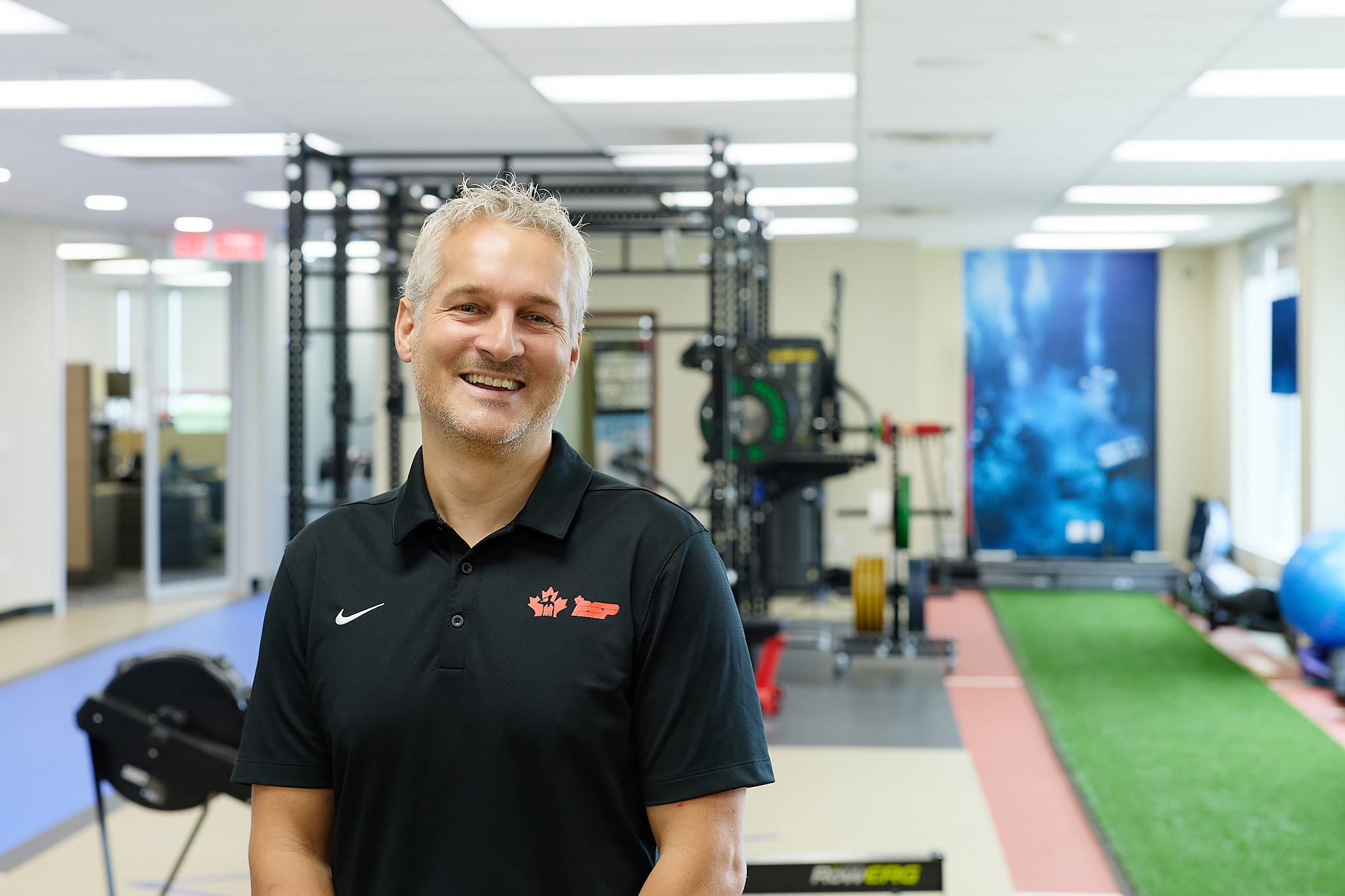
Philip Newton
Research Officer View Bio
Phil Newton is a Research Officer, joining PSP in 2008 as a core member of the team responsible for developing the Common Military Task Fitness Evaluation (CMTFE) and the Fitness for Operational Requirements of CAF Employment (FORCE). He has an MSc in Human and Applied Physiology from King’s College London and is a certified Clinical Exercise Physiologist with the Canadian Society for Exercise Physiology (CSEP). Phil started work as a technician at the University of Manchester, then a research technician in the environmental chambers at Portsmouth University. His work has remained rooted in the technical domain, with significant contributions to equipment design, task simulations, and close collaboration with IT teams to advance and maintain FORMeFIT—a suite of hardware and software used by fitness staff across Canada and abroad to evaluate and monitor the health and fitness of the Canadian Armed Forces.Philip Newton
Research Officer -
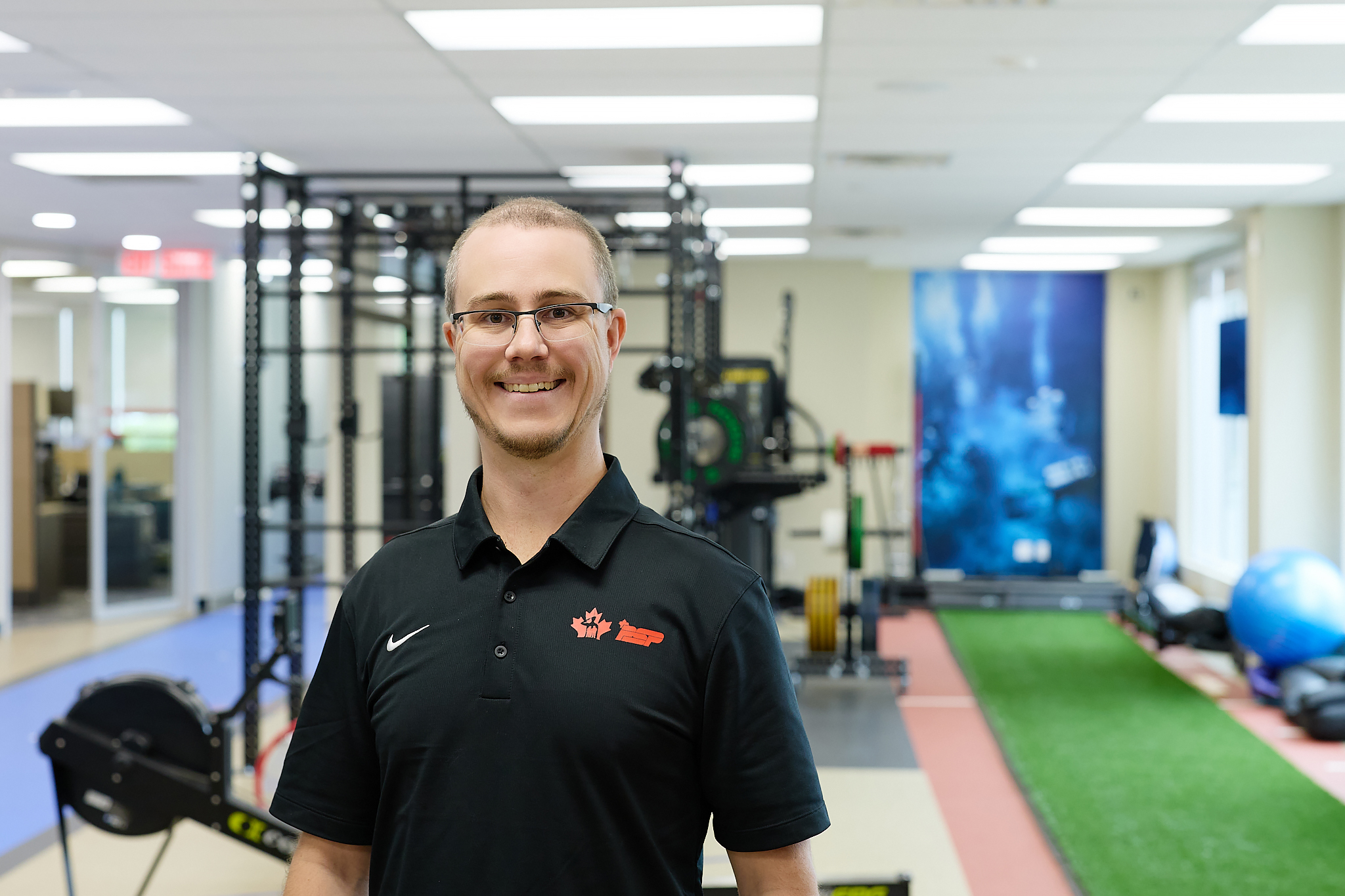
Dr. Geoffrey Harrison
Senior Evaluation Data Analyst View Bio
Dr. Geoffrey Harrison
Senior Evaluation Data AnalystDr. Geoffrey W. Harrison, is a Senior Evaluation Data Analyst with the Program Evaluation Unit of the Human Performance Research and Development team at Canadian Forces Morale and Welfare Services (CFMWS). He joined CFMWS in April 2022, shortly after earning his Ph.D. in Cognitive Neuroscience from Queen’s University.
Geoff began his tenure at CFMWS as a Mental Performance Research Analyst supporting Canadian Special Operations Forces Command (CANSOFCOM). He later transitioned to the Program Evaluation team, where his work has focused on initiatives aimed at enhancing Women’s Wellness within the Canadian Armed Forces (CAF).
His contributions include the development of data collection and analytics pipelines for evaluating key programs such as the Prenatal and Postpartum Program (PNP3), the Pre-Basic Military Training (Pre-BMT) Fitness Program, and the acquisition and forthcoming implementation of a physical performance monitoring platform.
Geoff holds a general degree in Life Sciences, a Bachelor of Science (Honours) in Psychology, a Master of Science in Psychology, and a Doctor of Philosophy in Cognitive Neuroscience—all from Queen’s University. His academic research has been published in several international journals and presented at both national and international conferences. At CFMWS, he has contributed to numerous projects under the Human Performance Research and Development team, many of which have also been showcased at prominent conferences worldwide.
-
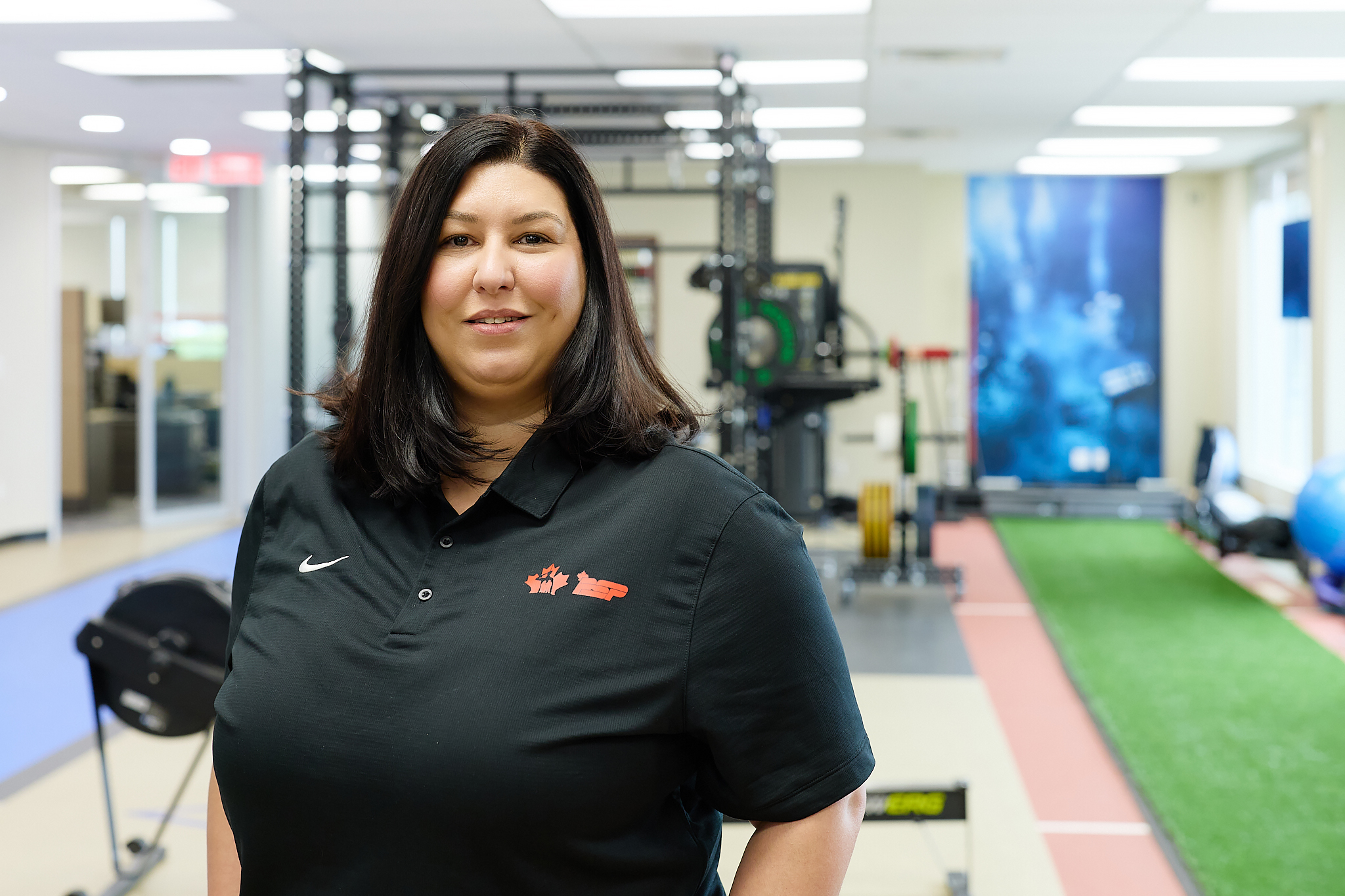
Dr. Caroline Dutil
Senior Evaluation Data Analyst View Bio
Dr. Caroline Dutil
Senior Evaluation Data AnalystDr. Caroline Dutil has been a Senior Evaluation Data Analyst with Canadian Forces Morale and Welfare Services (CFMWS) since November 2024, focusing on evaluations of Women’s Wellness initiatives, including the Prenatal and Postpartum Program (PNP3), as well as assessing the new athlete management system for Canadian Armed Forces (CAF) members. She also serves as an embedded Epidemiologist with the Directorate of Force Health Protection, specializing in CAF injury surveillance and collaborating on projects of shared interest.
Caroline earned her Ph.D. in Human Kinetics from the University of Ottawa, specializing in epidemiology, sleep, endocrinology, and neuroscience. A highly cited author with over 2,500 citations, she has published in high-impact journals and contributed sleep research content to the Canadian Society for Exercise Physiology’s (CSEP) 24-Hour Movement Guidelines for Adults. She has been a CSEP-Certified Clinical Exercise Physiologist since 2015.
She is no stranger to the CAF, having served 10 years as a Naval Warfare Officer on both coasts and completing the Fleet Navigating Officer Course before returning to graduate studies.
-
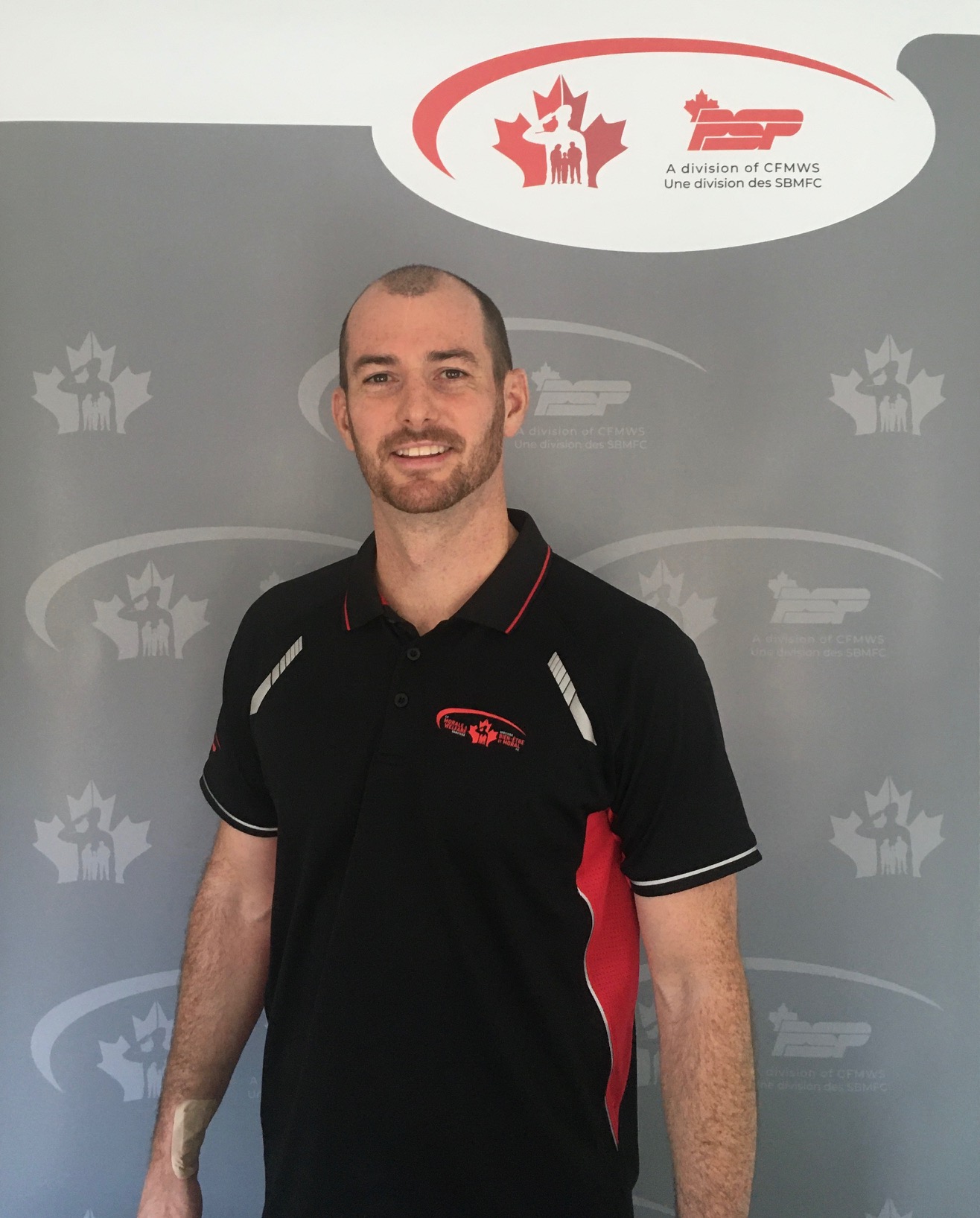
Aaron Grainge
Physical Performance Platform Manager View Bio
Mr. Aaron Grainge is the Physical Performance Platform Manager with over 15 years of service with Canadian Forces Morale and Welfare Services. Since 2009 he has held several positions, including Fitness and Sports Instructor, Training and Development Specialist, Training Team Lead, and Canadian Coast Guard Liaison Officer. Aaron is currently leading the implementation of an innovative athlete management system designed to streamline operations and enhance physical performance analytics. The athlete management system or Physical Performance Platform aims to offer personalized training plans, real-time performance data, and advanced performance metrics. The vision is to create a platform that not only supports Canadian Armed Forces members achieve their goals, but also foster a collaborative environment among fitness coaches, medical staff, and Canadian Armed Forces members, especially when they are in environments traditionally difficult to support.Aaron Grainge
Physical Performance Platform Manager -
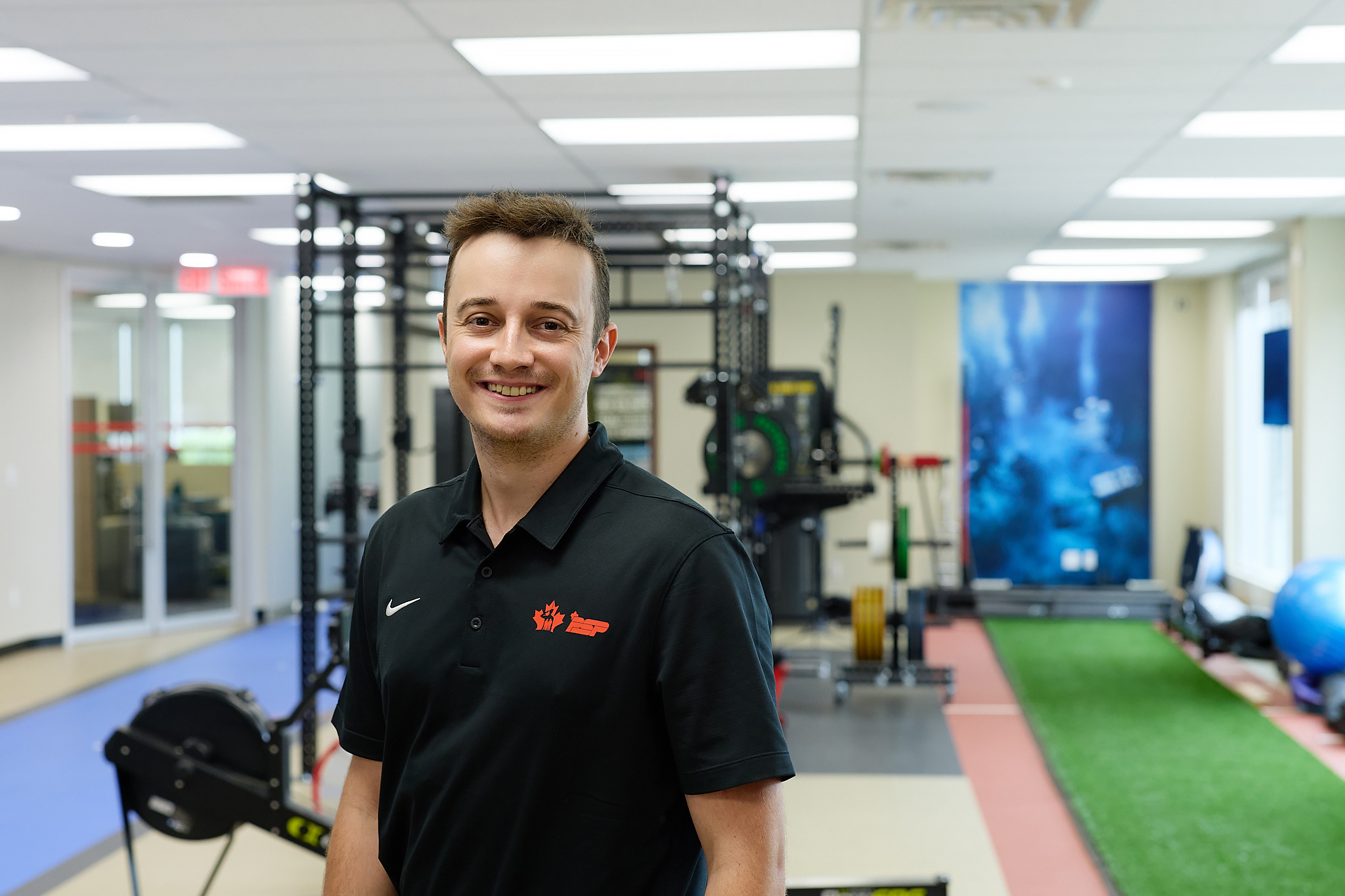
Roch Lamy
Physical Performance Platform Coordinator View Bio
Roch Lamy
Physical Performance Platform CoordinatorRoch Lamy is the Physical Performance Platform Coordinator. He acts as the project coordinator regarding assessing, implementing and developing training for current or newly hired PSP staff and CAF members professionals.
He started working for the Canadian Forces Morale and Welfare Services in 2022 as a Fitness and Sports Instructor in Valcartier. He then moved to Borden, to work as a Training and Development Specialist for the PSP National Training Center (NTC). Roch was heavily involved in NTC’s program and training delivery, both to CAF members and newly hired PSP employees.
Roch holds a bachelor’s degree in kinesiology and graduate certificate in sports performance from Université Laval. He is also a Clinical Exercise Physiologist, certified by the Canadian Society for Exercise Physiology (CSEP).
Repository of major projects and associated publications.
-
Fitness for operational requirements of Canadian Armed Forces Employment (FORCE) and Common Military Task Fitness Evaluation (CMTFE) (2010 - Ongoing)
The research project behind the FORCE and CMTFE evaluations was a comprehensive, evidence-based initiative by the Canadian Armed Forces (CAF) to align physical fitness standards with current common military tasks. Developed with reference to the National Defence Act and Universality of Service requirement, the projects used the Bona Fide Occupational Requirement framework to develop the four components of the FORCE Evaluation and scientifically connect to the CMTFE. Both evaluations ensure CAF personnel can safely and effectively perform the most common tasks associated with military service, regardless of rank or occupation.
Point of Contact: Reilly.tara@cfmws.comAssociated publications
• Blacklock R. The Canadian Armed Forces physical employment standard: A decade of endurance and progress. 5th International Physical Employment Standards Conference, Oklahoma City, OK, USA.
• Belgiorgio MP, Poirier MP, Blacklock R. (2025) Investigating the Potential Effects of Altitude on Intermittent High-Intensity Short-Duration Exercise: a Systematic Review. 5th International Physical Employment Standards Conference, Oklahoma City, OK, USA.
• Reilly T, Tingelstad HC. Manuscript Clarification for Edwards CM, da Silva DF, Puranda JL, Souza SCS, Semeniuk K, Adamo KB. Associations Between Rank, Sex, and Parity With Musculoskeletal Injuries Sustained During Annual Military Physical Fitness Test. J Strength Cond Res. 2024 Feb 1;38(2):367-373. J Strength Cond Res. 2024 Dec 1;38(12):e706. doi: 10.1519/JSC.0000000000004967. PMID: 39808812.
• Orr, R. M., Milligan, G. S., Blacker, S. D., Drain, J. R., Reilly, T., Chassé, E., Siddall, A., Foulis, S. A., Kilding, H., & Jamnik, V. (2024). The Fourth International Physical Employment Standards Conference: Perspectives, Themes and Future Directions. WORK, 77(4), 1219-1221. https://doi.org/10.3233/WOR-246006 (Original work published 2024)
• Reilly T et al. Using evidence of effective incentives to enhance physical health and fitness of the Canadian Armed Forces. NATO HFM-302 Symposium. Berlin, Germany. 2019.
• Tingelstad, H. C., Filion, L. G., Martin, J., Spivock, M., Tang, V., & Haman, F. (2018). Levels of circulating cortisol and cytokines in members of the Canadian Armed Forces: associations with age, sex, and anthropometry. Applied Physiology, Nutrition, and Metabolism, 43(5), 445-452.
• Barry G. Stockbrugger, Tara J. Reilly, Rachel E. Blacklock, and Patrick J. Gagnon. 2018. Reliability of the individual components of the Canadian Armed Forces Physical Employment Standard. Applied Physiology, Nutrition, and Metabolism. 43(7): 663-668.
• Reilly, T. J. (2017). A new physical employment standard for the Canadian Armed forces, 3 years later: a reflection on implementation and reporting challenges. Journal of Science and Medicine in Sport, 20, S9-S10.
• Gagnon, P., Reilly, T. J., Newton, P., & Stockbrugger, B. (2017). The FORCE Fitness Profile–Results from the first year of implementation. Journal of Science and Medicine in Sport, 20, S60.
• Reilly T. et al. Canadian Armed Forces Physical Employment Standards: Paradigm Shift. (2017). ACSM, Denver, Colorado USA, May 28-June 3.
• Milligan, G. S., Reilly, T. J., Zumbo, B. D., & Tipton, M. J. (2016). Validity and reliability of physical employment standards. Applied physiology, nutrition, and metabolism, 41(6), S83-S91.
• Reilly, T., Spivock, M., Prayal-Brown, A., Stockbrugger, B., & Blacklock, R. (2016). The influence of anthropometrics on physical employment standard performance. Occupational Medicine, 66(7), 576-579.
• Tingelstad HC, Theoret D, Spivock M, Haman F. Explaining Performance on Military Tasks in the Canadian Armed Forces: The Importance of Morphological and Physical Fitness Characteristics. Mil Med. 2016 Nov;181(11):e1623-e1629. doi: 10.7205/MILMED-D-15-00458. Erratum in: Mil Med. 2019 Jul 1;184(7-8):e375
• Gagnon, P., Spivock, M., Reilly, T., Mattie, P., & Stockbrugger, B. (2015). The FORCE fitness profile—adding a measure of health-related fitness to the Canadian Armed Forces operational fitness evaluation. The Journal of Strength & Conditioning Research, 29, S192-S198.
• Blacklock, R. E., Reilly, T. J., Spivock, M., Newton, P. S., & Olinek, S. M. (2015). Standard Establishment Through Scenarios (SETS): A new technique for occupational fitness standards. Work, 52(2), 375-383.
• Reilly, T., & Laframboise, J. (2014). Gender neutral to gender free: Physical employment standard evolution in the Canadian armed forces. In International Congress on Soldiers Physical Performance. Boston, MA: USAIREM.
• Reilly, T. J., Gebhardt, D. L., Billing, D. C., Greeves, J. P., & Sharp, M. A. (2015). Development and implementation of evidence-based physical employment standards: key challenges in the military context. The Journal of Strength & Conditioning Research, 29, S28-S33.
• T Reilly, R Blacklock, P Newton, S Olinek. Quantifying performance standards of the common and essential tasks required of the Canadian Armed Forces: Phase II FORCE. Canadian Institute Military Veterans Heath Research Forum . 2013
• Tipton, M. J., Milligan, G. S., & Reilly, T. J. (2013). Physiological employment standards I. Occupational fitness standards: objectively subjective?. European journal of applied physiology, 113(10), 2435-2446.
• Reilly, T., & Olinek, S. (2013). Predicting casualty evacuation performance for the Canadian land forces command. Occupational Ergonomics, 11(1), 1-9.
• T Reilly, C Driscoll, S Olinek, P Gagnon An Obstacle/Confidence course design which reflects the current operational and training demands of the Canadian Army. IPES, 2012
• Spivock, M., Reilly, T., Blacklock, R., & Goulet, L. (2010). A Comparative Physical Demands Analysis of the Canadian Navy, Army and Air Force: 1117: Board# 1 8: 00 AM-10: 00 AM. Medicine & Science in Sports & Exercise, 42(5), 166
• Blacklock R. Goulet LL & McFadyen P. (2010). The physical and physiological characterization of common tasks with the Canadian Forces Navy. Canadian Society for Exercise Physiology Annual Conference. Toronto, Ontario. -
Generating Resilience to Injury with Training (GRIT) (2018- ongoing)
The Generating Resilience to Injuries through Training (GRIT) research project focuses on demonstrating the effectiveness and feasibility of implementing standardized, evidence-based physical training (PT) programs to reduce the risk and incidence of musculoskeletal injuries (MSKIs) within both Canadian Armed Forces (CAF) training courses and operational units.
Findings indicate that these standardized PT programs—designed and delivered by PSP fitness experts—incorporate principles such as progressive overload and individualized training intensity. Their implementation has led to measurable improvements in physical performance and a notable reduction in both the rate and severity of MSKIs across training and operational contexts.
Point of Contact: Tingelstad.HansChristian@cfmws.comAssociated publications
• Young, J. L., Fredette, A., Reilly, T., Tingelstad, H. C., Smith, E. E., Clair, V., ... & Forestier, C. (2025). Response and clarification of:‘There is a knowledge mobilization gap in musculoskeletal injury research in the military context’. Journal of Military, Veteran and Family Health, 11(3), 184-197.
• Robitaille E, Reilly T, Heipel S, Buttici H, Chassé E, Tingelstad HC. The Value of Strength as a Predictor of Musculoskeletal Injury in Canadian Armed Forces Basic Infantry Candidates. Mil Med. 2024 Jul 3;189(7–8):e1675–82
• Tingelstad HC, Robitaille E, O’Leary TJ, Laroche MA, Larsen P, Reilly T. MSKI reduction strategies: evidence-based interventions to reduce musculoskeletal injuries in military service members. BMJ Mil Health. 2024 Nov 18;e002747.
• Tingelstad, H., Reilly, T., Robitaille, E. et al. Generating Resilience to Injuries through Training (GRIT) - Reducing MSKI in Artillery Troop Commanders with Standardized progressive training. ICMM Brisbane Australia, 2024.
• Tingelstad, H., Reilly, T., Robitaille, E. et al. Comparison of MSKI for male and female Canadian Armed Forces members participating in occupational training for Infantry, Medical Technicians, and Artillery Troop commanders. ICMM Brisbane Australia, 2024.
• Robitaille E, Heipel S, Butticci H, Reilly T, Chassé E, Tingelstad H, Boss S. Generating Resilience to Injuries through Training (GRIT). 6th ICSPP, London UK, 2023
• Robitaille E, Heipel S, Butticci H, Reilly T, Chassé E, Tingelstad H, Boss S. How a modified physical training program was implemented on a basic infantry course to reduce musculoskeletal injuries. 6th ICSPP, London UK, 2023
• Robitaille, E, Larter, V., Heipel, S Reilly , Chassé, E, Tingelstad HC, Karakolis T. The Knowledge Transfer Scheme: Bringing research to practice to minimize injuries in the Canadian Armed Forces. Canadian Army Journal. 19 (3) 2022.
• Robitaille E, Larter V, Heipel S, Reilly T, Chassé E, Tingelstad HC. The feasibility of implementing an evidence-based physical training program during a Canadian Armed Forces basic infantry course. J Sci Med Sport. 2021 Sep;24(9):886-893. doi: 10.1016/j.jsams.2021.03.012. Epub 2021 Mar 30. PMID: 33865697.
• Chassé, E, Robitaille, E, Heipel, S, Christian-Tinglestad, H., Reilly T. Number of trials required to record true peak force on isometric mid--thigh pull in young Canadian Military recruits. 5th ICSPP. Quebec City, QC. 2020.
• Needham-Beck, S Christian-Tinglestad, H, Chassé, E, Blacker, Reilly, T. Utility of an isometric mid-thigh pull test to asses neuromuscular fatigue during an urban operations casualty evacuation task. 5th ICSPP. Quebec City, QC. 2020. -
FORCE combat (2013-2020)
FORCE Combat™ is the new Individual Battle Task Standard (IBTS) for the Canadian Army (CA), serving as the annual fitness objective for CA members. Developed by the PSP Human Performance Research and Development (HPR&D) team, the FORCE Combat™ evaluation is grounded in extensive research into the physical demands faced by current CA personnel. Through a series of studies, the HPR&D team established:
• A minimum performance standard,
• The reliability of the evaluation protocol,
• The upper limits of safe environmental conditions for test administration, and
• The effectiveness of a standardized 12-week training program in enhancing FORCE Combat™ performance.
Point of Contact: Reilly.tara@cfmws.com
Associated publications
• Tingelstad, HC , Reilly, T, Poirier M (2024) Thermal and Cardiovascular Strain During FORCE CombatTM in Warm and Hot Environmental Conditions. Technical Report - Canadian Forces Morale & Welfare Services.
• Tingelstad, HC , Reilly, T, Kehoe, B, Verdon, E, Semeniuk, K, Haman, F. (2020). Loaded March and FORCE Combat Performance: Effects of Heat Exposure and Previous Experience. Journal of Military and Veterans Health. 28 (2). 6-17.
• Chassé E, Tingelstad HC, Needham-Beck SC, Reilly T. Factors Affecting Performance on an Army Urban Operation Casualty Evacuation for Male and Female Soldiers. Mil Med. 2019 Dec 1;184(11–12):e856–62.
• Reilly, T., Walsh, E., & Stockbrugger, B. (2019). Reliability of FORCE COMBAT™: A Canadian army fitness objective. Journal of science and medicine in sport, 22(5), 591-595.
• Garcia, S., Malgoyre, A., Keyne, C., Reilly, T. J., & Billing, D. C. (2017). The impact of load carriage exercise on the etiology of neuromuscular fatigue. Journal of Science and Medicine in Sport, 20, S39-S40.
• Sanderson, P., Faulkner, S., Fordy, G., Garcia-Vicencio, S., Malgoyre, A., & Reilly, T. J. (2017). Factors influencing soldier burden: more than just load. Journal of Science and Medicine in Sport, 20, S149.
• Tingelstad, H. C., Verdon, E., Kheo, B., Semeniuk, K., Haman, F., & Reilly, T. J. (2017). The effect of previous loaded marching experience and environmental condition on a simulated urban combat task. Journal of Science and Medicine in Sport, 20, S158.
• Reilly, T. J., Stockbrugger, B., Larocque, S., Walsh, E., & Gagnon, P. (2017). A fitness assessment for the Canadian Army–FORCE combat. Journal of Science and Medicine in Sport, 20, S127.
• Reilly, T., Stockbrugger, B., & Saucier, S. (2016). Physiological demands of FORCE combat: An Fitness Objective for the Canadian Army. In Canadian Institute Military Veterans Heath Research Forum.
• Gagnon, P., MSc; Reilly, T., PhD; Stockbrugger, B., MSc (2016). Bridging the Gap between Universality of Service and the Physical Demands of Combat Operations – FORCEcombat. Canadian Institute Military Veterans Heath Research Forum.
• T Reilly, R Blacklock, S Saucier. (2013) Administration of the FORCE Evaluation with Full Fighting Order and Battle Load. Canadian Institute Military Veterans Heath Research Forum
• T Reilly, S Olinek, C Driscoll.(2013) The physical demands of conducting operations in the urban environment. Canadian Institute Military Veterans Heath Research Forum
• T Reilly, Olinek, S, Driscoll, C. (2011) Development of a new battle fitness test which captures the physical demands of conducting operations in an urban environment ICSPP.
• Reilly T. (2010) Physical Fitness for the Land Force. The Canadian Army Journal. Vol 13.2 -
Basic Military Training and associated Basic Training Fitness Test (2021 – Ongoing)
This project supports the optimization of the Basic Military Training, partially through the development of the Basic Training Fitness Test. It ensures military candidates possess the foundational physical capabilities required for successful basic training completion and transition to operational roles, promoting readiness and injury prevention from the outset.
Associated publications
• Laroche MA ,Chasse E, Harrison G, Théoret D. Development and Evaluation of the Pre-Basic Military Training physical Fitness Program for the Canadian Armed Forces. CIMVHR, In Ottawa, On, Canada, 2025
• Chasse E, Laroche MA, Brouillard M, Harrison G, Théoret D. Impact of a Physical Conditioning Program on Body Composition Changes in Candidates who Failed the Canadian Armed Forces Basic Training Fitness Test. CSEP conference, London On, 2025
• Chasse E, Laroche MA, Harrison G, Théoret D. Impact of Age and Gender on Pre-Basic Military Training Fitness Program participant at Enrolment in the Canadian Armed Forces. IPES, In Oklahoma City, OK, USA; 2025.
• Laroche MA, Chasse E, Théoret D, Harrison G, Hevey J, Brown S. Effectiveness of a Fitness Screening Test for Canadian Armed Forces Basic Training. CIMVHR, In Winnipeg, MB, Canada; 2024. p. 10.
• Laroche MA, Chasse E, Harrison G, Théoret D. Characterizing women going through basic training at the Canadian Force Leadership and Recruits School. CIMVHR, In Winnipeg, MB, Canada; 2024. p. 11.
• Laroche MA, Chassé É, Théoret D, Lalonde F, Comtois AS. Assessment of Training Load, Sleep, Injuries, and Operational Physical Performance During Basic Military Qualification. Mil Med. 2023 Jul 22;188(7–8):e2018–25.
• Chassé E, Laroche MA, Dufour CA, Guimond R, Lalonde F. Association Between Musculoskeletal Injuries and the Canadian Armed Forces Physical Employment Standard Proxy in Canadian Military Recruits. Mil Med. 2020 Aug 14;185(7–8):e1140–6. -
Women and Gender-Diverse Physical Fitness and Wellness Program Evaluation (2023-Ongoing)
The evaluation of the Women and Gender-Diverse Physical Fitness and Wellness Program, also known as the Women’s Wellness (WW) program, highlights PSP’s contribution to the Department of National Defence and Canadian Armed Forces’ efforts to increase the representation of women in the military. By examining outcomes related to fitness, health and injury prevention, the evaluation team assesses the WW program’s reach, tailored program delivery and impact on the different stages of a woman’s career within the CAF including: physical readiness such as the Pre-Basic Military Training program; life stage support during pregnancy and postpartum with the Prenatal and Postpartum Program (PNP3); and lifelong wellness through aging and gender-specific stages like menopause. The WW program aims to enhance the overall fitness and health of women in the CAF, while being inclusive of gender-diverse members who may also benefit.
Associated publications
• Baskerville, B., Harrison, G. & Dutil, C. (2025). Turning Insights into Action: Effective Evaluation Strategies for Military and Veteran Programs [Conference Workshop]. CIMVHR Forum 2025, Ottawa, ON.
• Harrison, G., Baskerville, B. & Dutil, C. (2025). Transforming women’s wellness in the Canadian Armed Forces: Early insights on reach and program delivery from the evaluation of the Prenatal and Postpartum Physical Fitness and Wellness Program [Conference Presentation]. CIMVHR Forum 2025, Ottawa, ON.
• Dutil, C. & Theriault, G. (2025). It takes a unit: Parallels between family and military unit influence on physical fitness performance [Conference Presentation]. CIMVHR Forum 2025, Ottawa, ON.
• Baskerville, B., Harrison, G. & Dutil, C. (2025). The Prenatal and Postpartum Program in action: Preliminary findings on prenatal and postpartum physical fitness and wellness in the Canadian Armed Forces [Conference Poster Presentation]. CIMVHR Forum 2025, Ottawa, ON.
• Baskerville, B., Harrison, G. & Dutil, C. (2025). Insights to Action: Preliminary Findings from the PNP3 Evaluation [Conference Presentation]. Women’s Wellness Symposium 2025, Ottawa, ON. -
Universality of Service Modernization – Canadian Armed Forces (2016-2024)
This project modernizes the Universality of Service framework to reflect evolving operational realities and workforce diversity. It ensures physical and medical standards remain relevant, inclusive, and aligned with the essential requirements of military service.
Associated publications
• Department of National Defense. DAOD 5023-2 Common Military Tasks Fitness Evaluation. 2025. Retrieved at: https://www.canada.ca/en/department-national-defence/corporate/policies-standards/defence-administrative-orders-directives/5000-series/5023/5023-2-common-military-tasks-fitness-evaluation.html
• Chassé É, Théoret D, Poirier MP, Lalonde F. Physiological demands of basic fire management tasks in members of the Canadian Armed Forces: a pilot study. Mil Med. 2023;188(5–6):e942–8.
• Chassé É, Joshi D, Walsh ES, Blacklock R, Dow KA, Théoret D. Physical demands of Continuous Cardiopulmonary Resuscitation. 5th ICSPP, Quebec City, Qc, Canada; 2020. -
Common Enrolment Medical Standards Modernization (2023 – Ongoing)
The Canadian Armed Forces are modernizing enrolment medical standards by shifting from a broad “fit/unfit” model to an approach based on the safe and effective attempt of Basic Military Training. The Human Performance Research and Development team supports this initiative by serving as scientific advisors, ensuring the methodology aligns with Bona Fide Occupational Requirements.
Point of Contact: Théorêt.daniel@cfmw.com
-
Aircrew Conditioning Program (ACP) Evaluation (2021 – 2025)
There are three research objectives of this study: to explore the feasibility of RCAF aircrew completing the RCAF ACP at Edmonton; Cold Lake, Shearwater, Moose Jaw and Portage la Prairie; to determine if the RCAF ACP is effective to reduce/prevent neck injury, reduce time away from flying and improve performance in RCAF aircrew and; to investigate if there is a relationship between RCAF aircrew performance on a suite of fitness tests and the occurrence of musculoskeletal injuries (MSKI).
Point of Contact: Reilly.tara@cfmws.comAssociated publications
• Reilly T, Smith E, Miller E. Feasibility and Fidelity of the RCAF Aircrew Conditioning Program. ICMM Brisbane Australia, 2024.
• Smith E, Reilly T, et al. Initial Trial To Investigate The Feasibility & Fidelity Of The Royal Canadian Air Force Aircrew Conditioning Program. Canadian Institute for Military and Veteran Health Research Conference, 2023, Winnipeg, Ca. -
Pre Natal and Post Partum Program Evaluation (PNP3) (2023-Ongoing)
This research will feasibility of participation in the CAF Prenatal Post Partum Programs (PNP3), and collect feedback from the CAF women/parents. In addition we will determine if a reduction in risk of overuse injuries can be observed in the population of CAF women who participate in PNP3, either by demonstrating improvements in physical and operational fitness or through reported longitudinal reductions in MSKi. Lastly we will evaluate if a nutrition program will result in increased knowledge around nutrition for pregnancy and the postpartum period and will affect positive changes in dietary behaviors, as well as supplement intake to support a healthy pregnancy.
Point of Contact: Baskerville.bruce@cfmws.com -
Clearance Divers Assessment Center (CDAC) (2019 – ongoing)
The CDAC project evaluates the physical and psychological demands of Clearance Divers, and Clearance Divers course. It supports the development of evidence-based selection and training standards to ensure candidates meet the diving, explosive ordinance disposal, and tactical requirements of this Royal Canadian Navy occupation.
Point of Contact: Blacklock.rachel@cfmws.comAssociated publications
• Chasse E, Laframboise J. Physical Demands of Training Task of the Canadian Clearance Divers to Develop a Selection Physical Fitness Evaluation. IPES, Goldcoast, Australia; 2023
• Blacklock R, Kung T, Chasse E. Research, Development and Implementation of the Clearance Diver Pre-Selection Physical Fitness Evaluation and Performance Objectives. Executive Summary -
Maritime Tactical Operators Assessment Center (MTOAC) (2019 – ongoing)
The MTOAC project evaluates the physical and physiological conditions of the MTO specialty. This information supports the development of evidence-based selection, pre-selection and training standards to ensure candidates and incumbents can appropriately prepare and maintain an effective level of occupational fitness.
Point of Contact: Blacklock.rachel@cfmws.comAssociated publications
• Kung T, Tingelstad H, Laframboise J, Blacklock R. Development of the Maritime Tactical Operator Assessment Center. Executive Summary
• Kung T, Tingelstad H, Laframboise J, Blacklock R. Research, Development and Implementation of the Maritime Tactical Operator Pre-Selection Physical Fitness Evaluation. Executive Summary
• Kung T, Blacklock R. Establishing Pre-Selection Maritime Tactical Operators Physical Fitness Evaluation Readiness Zones. Executive Summary -
Aircraft Security Officer Course (ASOC) (2022- Ongoing)
The objective of the ASOC research project is to establish applicant readiness standards using the FORCE Evaluation and measured physical demands of the course.
Point of Contact: Blacklock.rachel@cfmws.com
publications
• Kung T, Blacklock R. Quantifying the Physical Demands of the Aircraft Security Officer Course. In Oklahoma City, OK, USA; 2025.
• Kung T, Blacklock R. Establishing readiness standards using the FORCE Evaluation and physical demands. Executive Summary -
Close Protection Assessment Center (2017-2019)
The CPOAC project evaluates the physical demands of the close protection operator course and occupation in order to update the CPOAC to ensure its scientific validity.
Point of Contact: Blacklock.rachel@cfmws.com -
Path Finders Course (2017-2020)
This project supports the development of physical and psychological standards for the elite Path Finders Course. It ensures candidates are prepared for the extreme endurance, navigation, and tactical demands of this advanced reconnaissance and leadership training.
Point of Contact: Blacklock.rachel@cfmws.com -
Physical Performance Platform (2024-Ongoing)
The Physical Performance Platform (PPP) helps Canadian Armed Forces members stay active, healthy, and connected. It offers consistent fitness support and tracks key wellness habits like exercise, nutrition, sleep, and injury status. The platform also builds community—especially for members with unique needs, such as those who are pregnant, postpartum, or working remotely—by making it easier to stay engaged and supported, wherever they are.
Point of Contact: Grainge.Aaron@cfmws.com -
Occupational Fitness Standards (2010-Ongoing)
This project establishes scientifically validated foundations for the development of physical employment standards across CAF occupations. It ensures essential tasks are identified with a systematic approach to ensure personnel can meet the essential physical demands of their roles.
Point of Contact: Theoret.daniel@cfmws.com -
Royal Canadian Navy Sea Deployments (2020-2023)
The Royal Canadian Navy Sea Deployments project investigates the unique physical and operational challenges faced by sailors during extended missions at sea, aiming to enhance human performance and resilience in maritime environments. The project investigates the impact of confined spaces, irregular schedules, and limited fitness resources on physical readiness. It supports the deployment of Fitness, Sports, and Recreation Coordinators aboard ships to deliver tailored fitness programs, monitor health, and promote wellness.
Point of Contact: Chasse.etienne@cfmws.comAssociated publications
• Chassé E, Laflamme Y. Fitness Aboard a Canadian Patrol A Case Study. Can Mil J. 2024;24(4):71–4.
• Laflamme Y, Chasse E. Fitness Aboard a Canadian Patrol Frigate. TSAC Report. 2023 Apr; Issue 70:24–31. -
NATO International working groups
• NATO RTG 124: Optimizing Operational Physical Fitness. 2006.
• NATO RTG 238: Reducing the Burden on the Dismounted Soldier. 2017.
• NATO RTG 260: Enhancing Warfighter Effectiveness with Wearable Biosensors and physiological Models. 2019.
• NATO HFM 269 Combat Integration: Implications for Physical Employment Standards 2019
• NATO RTG 365: Human Capability and Survivability Enhancement. 2025.
• NATO RTG 388: Implementation of evidenced based musculoskeletal injury prevention into military physical training. 2025
Point of Contact: reilly.tara@cfmws.com
Point of Contact: Blacklock.rachel@cfmws.com
Point of Contact: Newton.Phil@cfmws.comAssociated publications
• Reilly T, Sharp, M, Cao, M, Canino, M. A database of sex bias for frequently used predictor tests. IPES, Portsmouth, UK, 2019.
• Reilly, T. J., Sharp, M. A., Cao, M., & Canino, M. C. (2019). A database of predictor test sex bias for development of military physical employment standards. Work, 63(4), 591-601.
• Drain, J. R., & Reilly, T. J. (2019). Physical employment standards, physical training and musculoskeletal injury in physically demanding occupations. Work, 63(4), 495-508.
• Nindl, B. C., Billing, D. C., Drain, J. R., Beckner, M. E., Greeves, J., Groeller, H., ... & Friedl, K. E. (2018). Perspectives on resilience for military readiness and preparedness: report of an international military physiology roundtable. Journal of science and medicine in sport, 21(11), 1116-1124. -
Physical Employment Standard for the Royal Canadian Mounted Police (2018-2024)
The objective of this project was to develop two physical assessments for the Royal Canadian Mounted Police using a Bonafide occupational requirement framework. We began with a systematic task analysis of frontline operational policing to identify frequent, essential, and physically demanding tasks. We then quantified the associated physical demands (i.e., force requirements, metabolic, cardiovascular, biomechanical, and others) at performance thresholds required for safe and effective execution. These data informed the development of two complementary assessments: (1) a task-based criterion (“gold standard”) test that directly replicates operational demands; (2) a portable, fitness-based assessment designed as a streamlined, lower-resource proxy when the criterion test is impractical.
Point of Contact: Blacklock.rachel@cfmws.comAssociated publications
• Poirier MP, Blacklock R, Frei L, Cao M, Théoret D. Criterion-referenced physical employment standard for resistant, non-combative suspect apprehension in general-duty policing. Submitted [October X, 2025] to [Journal name]. Manuscript ID: [XXXXXX].
• Poirier MP, Blacklock R, Cao M, Théoret D, Frei L, Gagnon P. Technical-tactical behavior analysis of general duty police officers during non-compliant suspect apprehensions: A novel approach to establish minimum force requirements. Work. 2024;77(4):1341-1357. doi: 10.3233/WOR-230307.
• Blacklock R, Frei L. (2023). Developing a national two-tiered physical assessment for police. 4th International Physical Employment Standards (IPES) Conference; 24–26 Feb 2023; Bond University, Gold Coast, Australia.
• Poirier MP, Blacklock R, Frei L, Gagnon P. A novel approach to characterizing and quantifying a suspect apprehension in the development of a modernized physical employment standard for a national police force. 4th International Physical Employment Standards (IPES) Conference; 24–26 Feb 2023; Bond University, Gold Coast, Australia. p. 24–25.
• Poirier MP, Blacklock R, Frei L, Gagnon P. Establishing a minimum distance standard for a medicine ball proxy test based on a suspect apprehension task simulation within a new police physical employment standard: A preliminary analysis. 4th International Physical Employment Standards (IPES) Conference; 24–26 Feb 2023; Bond University, Gold Coast, Australia. p. 26–27. -
Development of a Physical Abilities Test for the Canada Border Services Agency’s Officer Induction Training Program (2018-Ongoing)
The objective of this project is to develop a Canada Border Services Agency (CBSA)–specific Physical Abilities Test as an admission standard for the Officer Induction Training Program (OITP). Following task identification and physical-demands analyses of OITP, we designed a low-resource, easily administered circuit grounded in the Control and Defensive Tactics unit: ground-defence elements, a sled push–pull to model the physical control of the average Canadian adult, and an agility component to capture the ability to perform high-intensity movements. Validated by subject-matter experts at the CBSA College, the current phase aims to use OITP completion outcomes to establish a minimum cut-score and performance standards that admit applicants who are physically ready for OITP and screen out those who are not, while meeting legal, ethical, and inclusivity requirements.
Point of Contact: Blacklock.rachel@cfmws.comAssociated publications
• Poirier MP, Belgiorgio M, Callahan C, Guest A, West S, Blacklock R. Establishing a cut-score for a new Physical Abilities Test for applicants to Canada Border Services Agency’s Officer Induction Training Program: A preliminary analysis. 5th International Conference on Physical Employment Standards (IPES 2025); 19–21 Feb 2025; Oklahoma State University–Oklahoma City, Oklahoma City, OK, USA. -
Occupational Fitness Assessments for the Canadian Space Agency (2016-Ongoing)
The Occupational Fitness Assessment project for the Canadian Space Agency (CSA) supports the development of evidence-based physical standards for astronaut and astronaut candidates. This initiative ensures that individuals selected for space missions possess the physical capabilities required to perform their functions—both during spaceflight and in preparation for it, and recovery. By aligning with the Canadian Armed Forces' expertise in occupational fitness standards, this collaboration ensures that CSA personnel are physically prepared for the rigors of space exploration, while also supporting health and safety.
Point of Contact: Chasse.etienne@cfmws.comAssociated publications
• Chassé E, Laflamme Y, Miller E, Hirsch N, How Ergonomic Support Canadian Space Missions. ACE Conference, Qc City, Qc, 2025.
• Laflamme Y, Chassé E, Hughes LJ. Blood flow restriction exercise during microgravity exposure in parabolic flight. Experimental Physiology. 2025. Epub ahead of print, doi: 10.1113/EP092767.
• Chassé E, Zheng Y, Laflamme Y, Hirsch N. R&D of flywheel-device exercise programming: From ground to micro-gravity. IPES, Oklahoma State University–Oklahoma City, Feb 19–21, 2025 (Oklahoma City, OK, USA).
• Zheng Y, Chassé E, Laflamme Y, Hirsch N. Flywheel device exercise programming for future deep space missions. Canadian Space Health Research Symposium; 6–8 Nov 2024; Western University, London, Ontario, Canada. p. 37.
• Laflamme Y, Chassé E. From ground to space—utilization of a flywheel device across tactical populations. TSAC Report. 2024; Issue 73.
• Chassé E, Laflamme Y, Hirsch N, Théoret D, Gagnon P. Time-motion analysis of Neutral-Buoyancy Lab runs to simulate micro-gravity extra-vehicular activities. 4th International Physical Employment Standards (IPES) Conference, Gold Coast, Australia, Feb 23–26, 2023.
