


Chiefs' Readiness Challenge
Readiness is at the heart of our identity as members of the Profession of Arms.
 This challenge aspires to help you articulate your identity as a War Fighter. It aims to foster mutual support and encouragement amongst teammates while infusing healthy daily, weekly, and monthly habits; habits selected to support readiness and the realization of your desired identity.
Chiefs' Challenge
-
Chiefs' BONUS Challenges
Check in here at the start of each month for specific challenges that will earn you bonus points.
November Bonus Challenge:
1) Engage a school or community group on the topic of Remembrance Day (50 points)
2) Complete a "Buddy Check" on a distrant colleague or friend (10 points per) -
How the Challenge Works
Step 1: Complete Your Identity Statement (Optional)
- Complete the Identity (ID) Statement Form to help define your goals and commitments.
- Participation in this step is encouraged but not mandatory.
- You may update your ID Statement each month if your goals or priorities change.
Step 2: Read the monthly introduction- Visit the Chiefs’ Readiness Challenge webpage for an introduction to the monthly wellness theme. Events, character reflection activities, and bonus challenges to earn bonus points will be found here.
Step 3: Track Your Daily/Weekly/Monthly Habits- Use the monthly Habit Tracker to record your habits and activities throughout the month.
- Update your tracker regularly to ensure your points are accurately captured.
Step 4: Earn BONUS Points- View the Monthly Chief’s Bonus Challenge for an opportunity to earn more points.
- Track your total bonus points over the month.
Step 5: Calculate Your Monthly Points- At the end of the month, review your Habit Tracker.
- Add up all the points you earned to determine your monthly total.
Step 6: Submit Your Points- Enter your total monthly points into the online submission form.
- Be sure to submit your points before the monthly deadline provided.
Step 7: Repeat Each Month
Continue the process for the duration of the challenge:- Update your Identity Statement if needed.
- Review the monthly theme.
- Track your habits.
- Calculate your points.
- Submit your total before the deadline.
Point Submission Form
Each month, two participants will be recognized:- One top performer
- One randomly selected participating Warfighter
-
Personal Goals & ID Statement
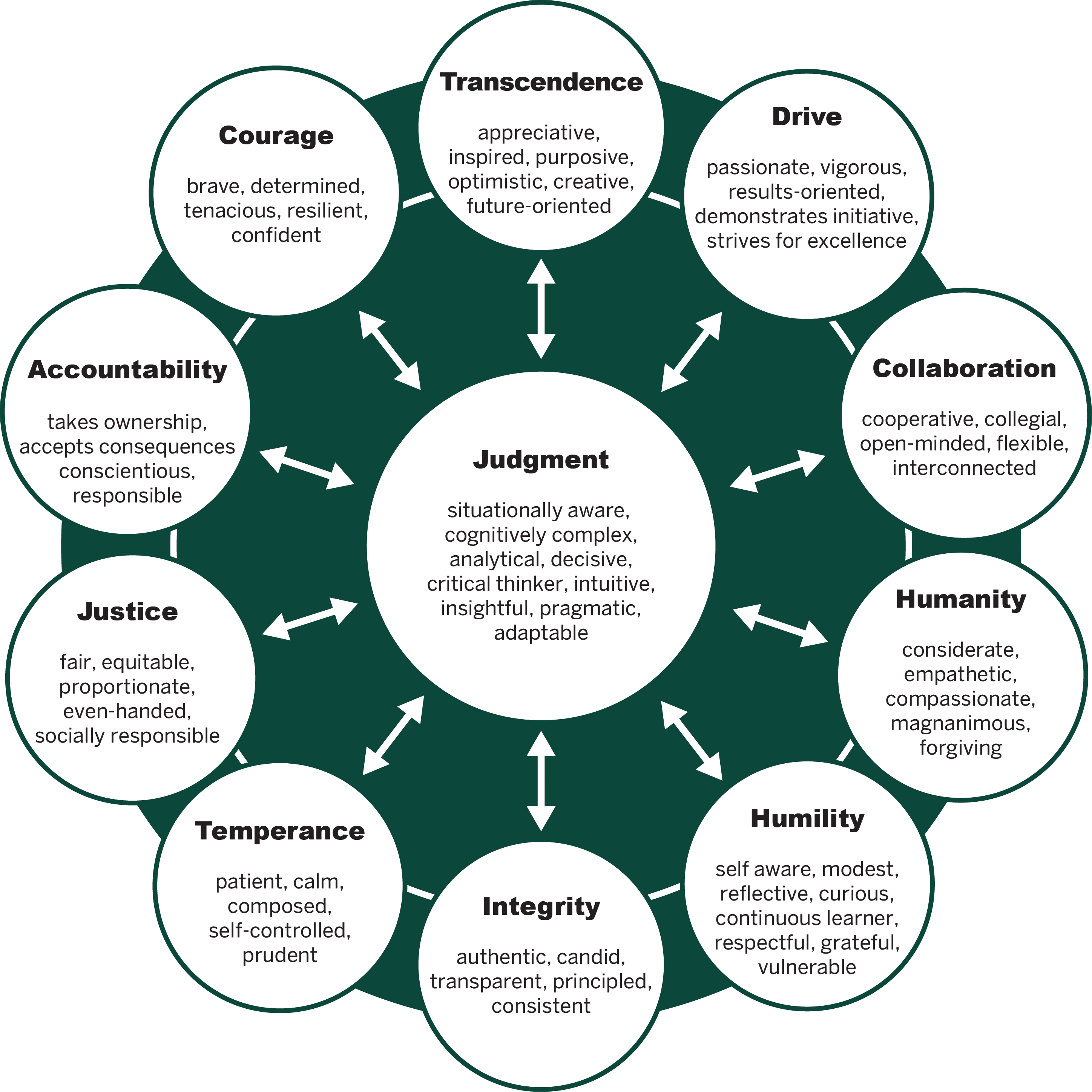
Inspired by James Clear’s Atomic Habits, an identity statement is a purposeful description of the person you want to be, rather than what you want to accomplish.
This statement can include all facets of your personal and professional life and should provide a clear vision from which you will design your daily, weekly, and monthly habits. Lasting behaviour change starts with identity change.
This statement can evolve over time as the vision you have for yourself grows.
Formula: Identity → Habits → Results
When you consistently act in alignment with your identity, your habits become easier to maintain, and your desired results naturally follow.
Download your Personal Goals & ID Statement form here: CLICK TO DOWNLOAD
- Download Complete Book
-
Micro-Workout Menu
A micro-workout consists of a minimum of 3 minutes of planned and sustained effort consisting of aerobic, strength-based, balanced focused activities, or combination thereof.
Ex. push-ups, abdominal exercise, air squats, pull-ups, climbing stairs, plank, leg raises, etc.
Full Body Blast- 40 sec jumping jacks
- 40 sec squats
- 40 sec push-ups
- 40 sec mountain climbers
- 40 sec plank
- 20 body weight squats
- 10 standing lunges (each leg)
- 45 sec wall sit
Core Crush- 20x bird-dog
- 30 Sec plank
- 10x Supermans
- 20 bicycle crunches
Desk Power Minute- 12 desk push-ups
- 12 chair squats
- 12 calf raises
- 30 sec 1 leg stand
Team Relay- In teams of 3-4, compete to complete the following, as fast as possible:
- 10 jumping jacks
Burpee Burner- Burpee Countdown
- 5, 4, 3, 2, 1
- 10 second break between
-

Canadian Armed Forces Ethos : Trusted to Serve - Canada.ca
-
Fighting Spirit: The Profession of Arms in Canada - Canada.ca
-
CAF Campus
-
Non-Commissioned Member Leadership College - Canada.ca
-
Canadian Forces Morale and Welfare Services | CFMWS
-

CFMWS | Health Promotion
-
Canadian Armed Forces Virtual Library
-

The CAF Offer - Canada.ca
-
CAF App
-
FORTIS App
-
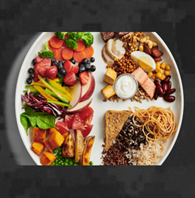
Canada’s Food Guide
-
24 Hour Movement Guidelines
-
CF Member Assistance Program
-
CFB Borden Essential Resources – Aide Memoire
