


Emotional cycle of deployment
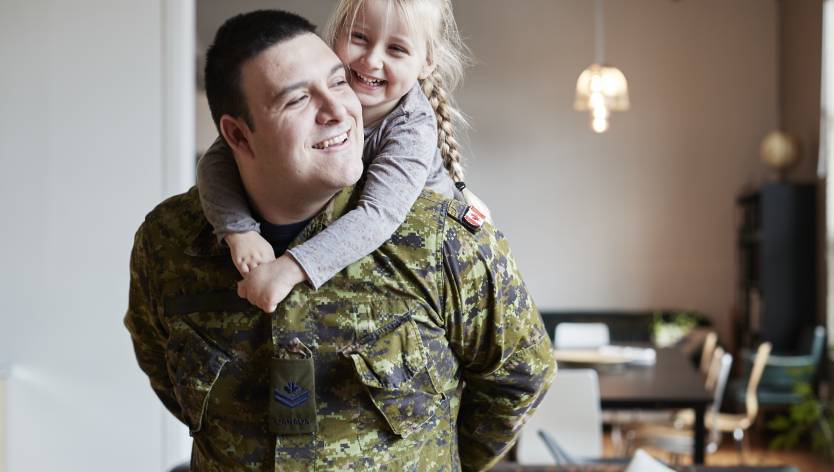
Anticipation of loss: One to six weeks prior to departure
Provides a means to put some emotional distance between each other in preparation for living apart.
-
Common reactions
- Fluctuations in energy levels and mood
- Fantasizing
- Feelings of sadness, anger, excitement, restlessness
- Anxiety, tension, frustration, resentment, depression
-
General coping strategies
- Feel and express all emotional responses
- Encourage all family members to share their feelings
- Involve the whole family in preparing for the separation
- Complete the Pre-Deployment Checklist
- Participate in pre-deployment briefings and activities at the local Military Family Resource Centre and MFS OUTCAN
- Create opportunities for warm, lasting memories such as taking pictures
- Set realistic goals for the deployment period
Detachment and withdrawal: Final week before departure
May be the most difficult stage in many ways
-
Common reactions
- Reduced emotional and sexual intimacy
- Feelings of despair, hopelessness, impatience, numbness
-
General coping strategies
- Accept feelings as normal reactions to challenging circumstances
- Communicate as openly and as honestly as possible
- Be patient
- Keep the last day for family time
- Ignore rumours and rely on official sources of information
Emotional disorganization: First six weeks of deployment
Often described as a period of restlessness Actual deployment, no matter how prepared families are, still comes as a shock. For the loved one at home, an initial sense of relief from the tension of preparing for deployment is followed by a feeling of being overwhelmed. The CAF member may feel lonely and frustrated at being far away from day to day living. This can be a time to gather strength for the changes to come.
-
Common reactions
- Magical thinking— believing the impossible or unlikely
- Sleep and appetite disturbances
- Feelings of relief, guilt, anger, numbness, depression
- Confusion, disorganization, indecision, loneliness
- Vulnerability, irritability
-
General coping strategies
- Communicate—keep in touch about everyday events and share feelings to maintain the emotional bond
- End phone calls on a positive note
- Help children to express their feelings and to stay in touch with letters, pictures, cards, audio/ video cassettes
- Maintain a healthy lifestyle—eat nutritiously, exercise regularly, drink plenty of water and get an adequate amount of sleep
Recovery and stabilization: Variable duration (six to twelve weeks)
Adjustment to new family patterns and routines, and reorganization of roles and responsibilities.
-
Common reactions
Feelings of increased confidence, independence, competence, freedom, pride, isolation, anxiety, depression
-
General coping strategies
- Enjoy new skills, freedom, independence
- Celebrate signs of positive growth in self and other family members
- Offer empathy and support to others
- Maintain regular contact through phone calls, letters, email
- Confide in trusted peers
- Seek professional counselling if feelings of depression/anxiety are threatening to overwhelm
Anticipation of homecoming: Six weeks prior to return
A time of intense apprehension and conflicting emotions.
-
Common reactions
- Increased energy and activity
- Sleep and appetite disturbances
- Feelings of joy, excitement, anxiety, apprehension, restlessness, impatience
-
General coping strategies
- Share feelings of apprehension, as well as excitement and joy
- Share expectations and desires for the homecoming
- Share feelings of love and commitment
- Include children in planning for the homecoming celebrations
- Participate in preparation for reunion activities
- Ignore rumours and rely on official sources of information concerning return date, time and location
Renegotiation of relationships: First six weeks home
A necessary time to refocus the relationship.
-
Common reactions
- Difficulty re-establishing emotional and sexual intimacy
- Feelings of excitement, disorganization, resentment, frustration
- Grieving loss of freedom and independence
-
General coping strategies
- Communicate as openly and honestly as possible
- Accept feelings as normal and not a threat to the relationship
- Be patient
- Renegotiate household roles and responsibilities to share the workload
- Celebrate together the personal growth each has achieved
- Continue to participate in a support group/ network
- Seek professional counselling, contact a doctor, chaplain or social worker for assistance in coping with stress
- Both partners should be aware of the signs of Post-Traumatic Stress Disorder (PTSD) and formerly deployed partner should be encouraged to seek professional help as appropriate
Reintegration and stabilization: Six to twelve weeks after return
New routines become stabilized.
-
Common reactions
Feelings of intimacy, closeness, confidence in relationship
-
General coping strategies
- Remember to follow through on promises made during deployment
- Spend time relaxing and enjoying time together as a family
- Share lessons learned with other families
- Identify what worked well in the planning and what could be improved for the next deployment
