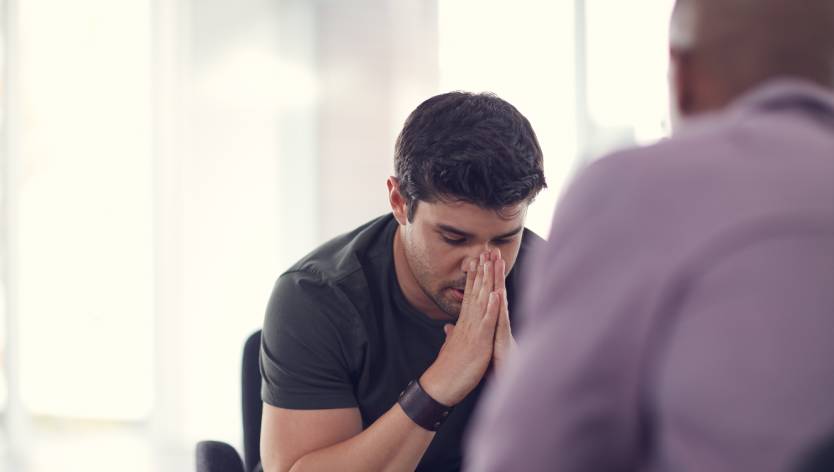
These invisible wounds affect a person’s mental, emotional, and social well-being just as seriously as physical injuries. The myth of the invincible soldier, combined with the widespread stigma surrounding mental illness and the failure to recognize the symptoms of this injury often discourage current service personnel and Veterans from seeking help. The first signs of an OSI such as disturbed sleep, mood swings, withdrawal, social isolation and loss of interest in routine activities may worsen if untreated and begin to impact both the work and home environment.
In 2001, recognizing the benefits of sharing their experiences, a group of serving members [TM1] set up a peer-based support group: the Operational Stress Injury Social Support program. The group grew to a partnership program between the Department of National Defence and Veterans’ Affairs coordinated by screened and trained peers. In 2005, the program recognized another critical truth: military service affects the whole family.
The OSISS program supports CAF members, Veterans and their family members in multiple locations across Canada. [TM2] Our program is for peers, by peers. If you think you or a loved one may have an OSI, all you need to do to take the first step is contact an OSISS Coordinator.
Who We Are
We are peers, just like you. All OSISS Coordinators have lived experience with OSIs. We are trained peers who bring experience and practical knowledge of what it is like to be impacted by an OSI or to live with someone who is. We have all come to a point in our recovery where we are able to help others going through similar experiences by offering confidential one-on-one meetings as well as group support.
Why We Are Here
We are here to listen, offer support, help you identify and reach your goals, and provide an opportunity for connection to others who have faced similar challenges. For us, this is not a job but a passion to support those going through what we also went through.
Why Peer Support
If you or a family member have an OSI, the road to wellness can be hard to navigate. Peer support connects you with an understanding ear and a supportive community of people with similar experiences, helps you to set goals, and provide effective resources that can help. Breaking down the stigma and providing social support has led many Canadian Armed Forces members, Veterans and their families to seek the help they need and change their lives for the better.
*Note: Within the program, confidentiality is paramount. Your identity and discussions with us are held in confidence, except in situations of imminent harm to a person, child abuse or subpoena.
Possible Contributors to an OSI
There are different factors and experiences that may contribute to an OSI. Four common contributors are: trauma, fatigue, grief, and moral injury. A person’s experience of an OSI may come from a single element or may be a combination of any of these components. Here are some examples for each contributor:
Trauma
- “Blast Trauma”
- Training accident
- Witnessing an incident
Fatigue
- High operational tempo
- Being responsible for the safety of other people
- Multiple tours/taskings
Grief
- Loss of people you knew
- Loss of sense of “normal”; loss of previous self
- Losing the partner they knew before
Moral Injury
- Witnessing an event but being unable to help; feelings of helplessness
- Feelings of guilt and shame; worry about things that weren’t done
- A sense of having no control